
Deck Builder · Omaha, NE
Composite Decking Installation in Omaha, NE
Omaha Deck Builder Co coordinates composite decking installation across Omaha, Millard, Elkhorn, Papillion, La Vista, and the wider Sarpy and Douglas County metro — calls answered 24 hours a day, with the material and fastener spec written down before work starts. Whether it's a first Trex build replacing a weathered pressure-treated deck in Millard or a new TimberTech install on an Elkhorn walkout, the crews coordinated here handle composite and PVC decking as a full job: material selection, hidden-fastener installation, railing, and a code-compliant finish.
Composite decking comes up constantly here for one climate reason: Omaha's long, UV-heavy summers, hail-bearing spring storms, and sub-zero winters grey, check, and cup exposed wood decking fast, and composite and regular resealing come up on nearly every Millard job as a result. Millard's stock is dominated by 1970s-2000s subdivision homes whose original builder-grade pressure-treated decks are now reaching the end of their service life, and composite is increasingly the material homeowners choose when replacing rather than repeating the original wood.
This page covers composite and PVC decking installation specifically — material, fastening, and finish. New wood-frame construction underneath the decking surface is new deck construction; refinishing an existing wood deck instead of converting it is deck staining & sealing.
Composite goes down over the same code-built frame as a wood deck — footings below the 42-inch frost line, a flashed ledger, and joists spaced to span tables — then boards are grooved-edge and hidden-fastened rather than face-screwed. Most composite installs finish in a similar timeframe to a comparable wood deck, often faster once the decking-and-railing stage begins.
What We Do
Our Composite Decking Services in Omaha
A brand-name board, a material category, and a fastener system each shape how a composite deck performs — here's how the coordinated crews scope each choice.
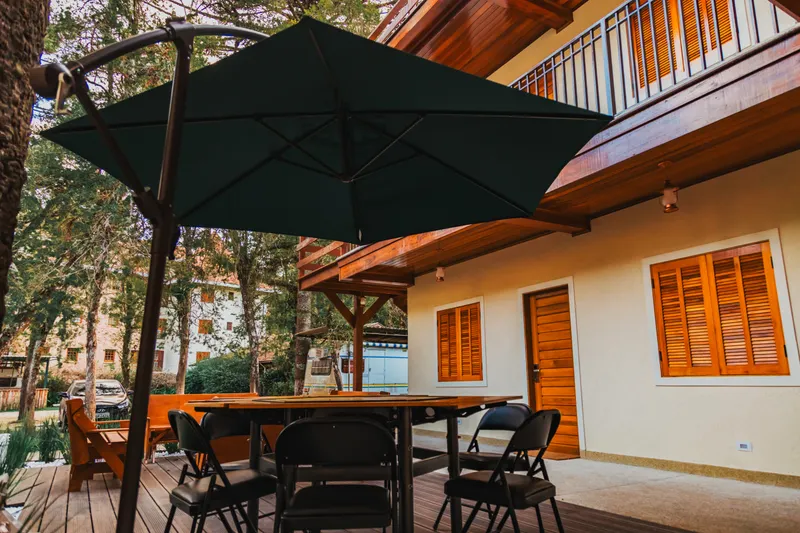
Trex, TimberTech & Fiberon Composite Installation
The composite decking we install most often across Omaha comes from Trex, TimberTech (AZEK), and Fiberon, all capped wood-plastic or polymer boards designed to resist the fading and cupping that plain pressure-treated wood suffers under Nebraska's UV and freeze-thaw swings. Installed composite typically runs $35 to $65 per square foot depending on the line, and a comparable 320-square-foot composite deck lands in the $13,000 to $24,000 range once framing and railing are included.
Every board is manufactured to ASTM D7032 and generally carries an ICC-ES evaluation report — the standard local building officials look for at inspection.
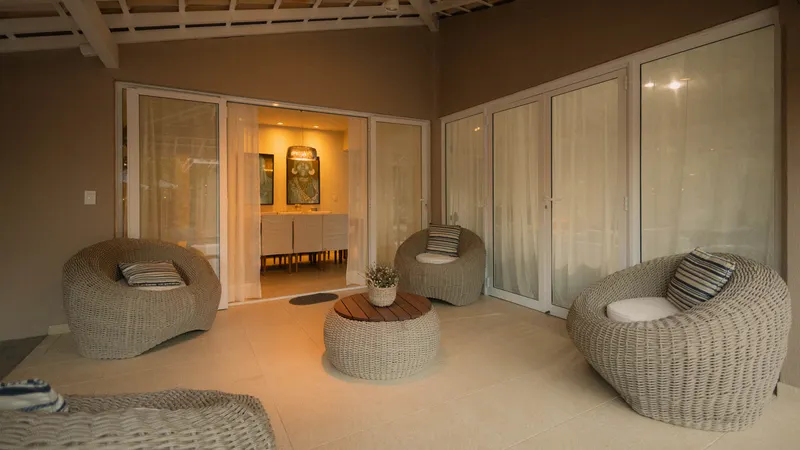
Capped Composite vs. PVC / Capped Polymer Decking
Capped composite (Trex, TimberTech, Fiberon, MoistureShield) wraps a wood-plastic core in a protective polymer shell, while fully PVC/capped-polymer decking like AZEK skips wood fiber entirely — PVC costs more upfront, around $40 to $75 per square foot installed, but resists moisture and staining even further and often carries warranties up to 50 years versus composite's typical 25-year limited term. We walk through both options against the specific budget and how close the deck sits to sprinklers, pools, or heavy shade before recommending one.
Either choice outlasts pressure-treated pine's 10-to-15-year service life by a wide margin.
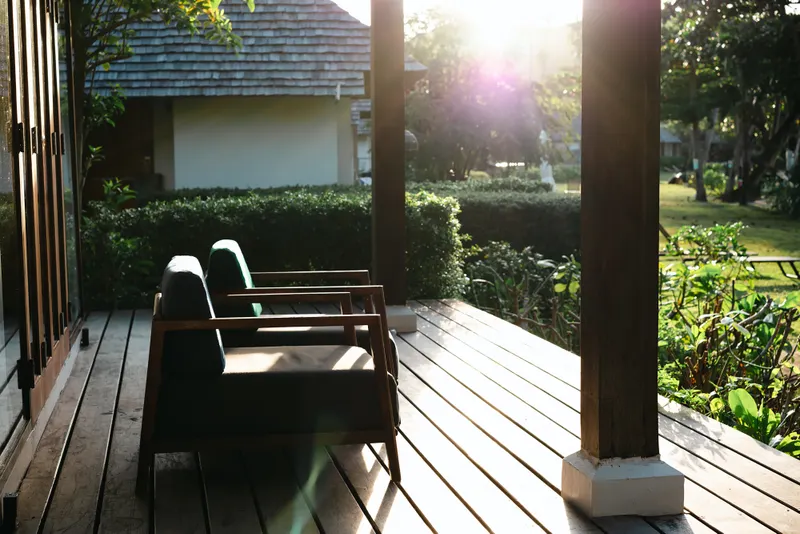
Hidden-Fastener Deck Systems
Most composite boards we install use a grooved edge paired with a hidden-fastener clip system — CAMO and FastenMaster are common brands — so the surface has no visible screw heads and stays cooler underfoot than a face-screwed board in direct summer sun. Hidden fasteners also let boards expand and contract slightly with temperature swings without splitting the board face, which matters given how wide Omaha's seasonal temperature range runs.
The trade-off is a slightly higher install labor cost, which is reflected in the composite per-square-foot rate rather than billed separately.
The Benefits
Composite Decking Benefits for Omaha Homeowners
Composite costs more upfront than wood, but the lifespan and warranty math is where it earns that cost back.
Composite Outlasts Wood by Decades
Pressure-treated pine decking typically lasts only 10 to 15 years, and cedar 15 to 20, before boards and framing start failing — capped composite runs 25 to 30 years, and PVC decking often 40 to 50 years or more. Over a typical ownership period, that lifespan gap usually offsets composite's higher upfront cost through avoided refinishing and board-replacement labor.

A Fast-Growing, Well-Tested Material Category
The composite decking market is growing at roughly a 16% compound annual growth rate, forecast to expand by about $4 billion between 2025 and 2029, as more homeowners move away from wood maintenance. That growth has pushed manufacturers to refine fade resistance, board grooving, and cooler-surface color lines, so today's composite performs meaningfully better than the first generation of composite boards from the early 2000s.
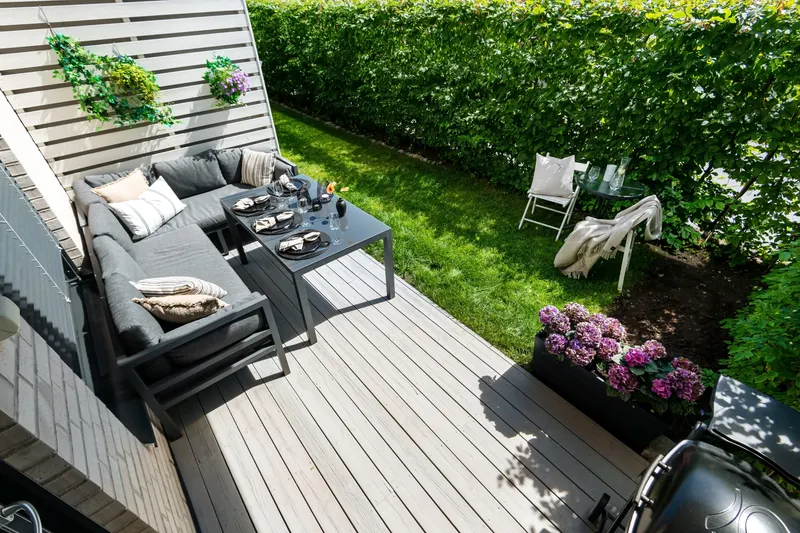
Manufacturer Warranties Do the Heavy Lifting
Trex, TimberTech, and Fiberon commonly back their composite boards with a 25-year limited warranty plus a separate 25-to-50-year fade-and-stain warranty, coverage that simply doesn't exist for site-built wood decking. We register the installed warranty with the manufacturer as part of the job, not as an optional step, so the paperwork is already on file if a claim ever comes up.
Our Work
Recent Composite Deck Installs Across Omaha
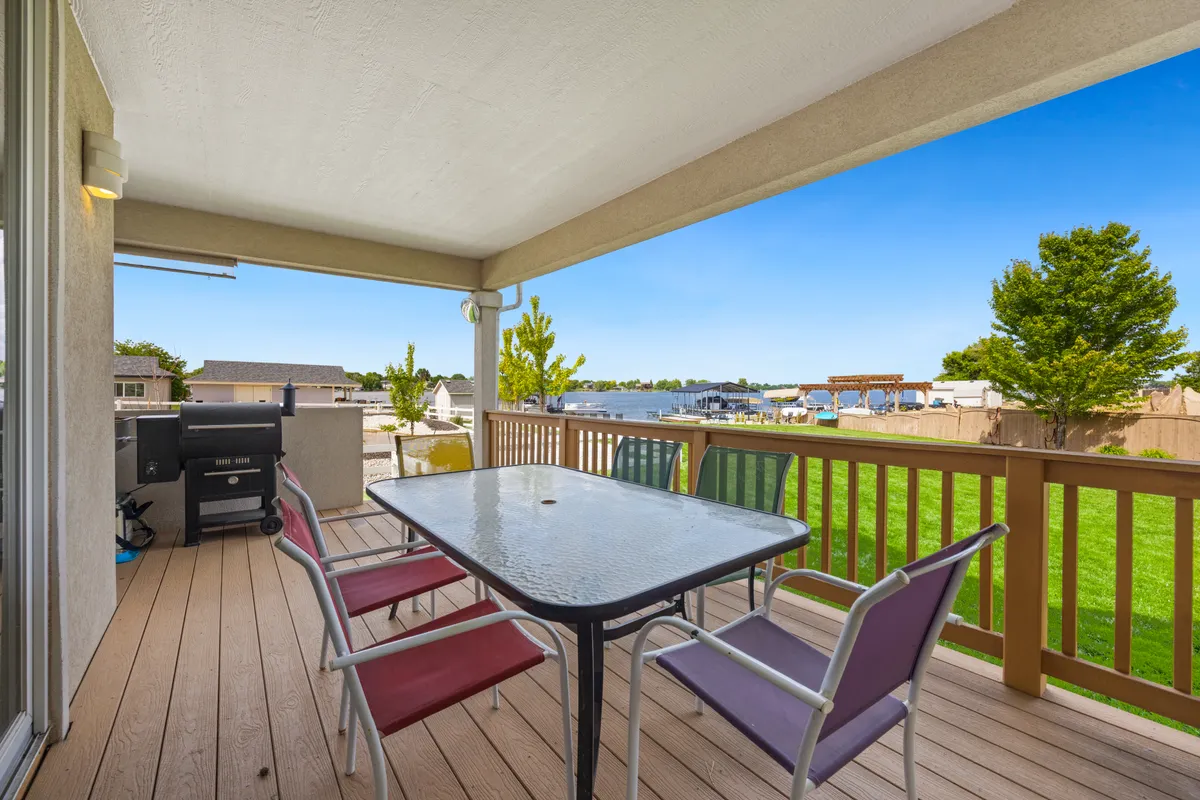
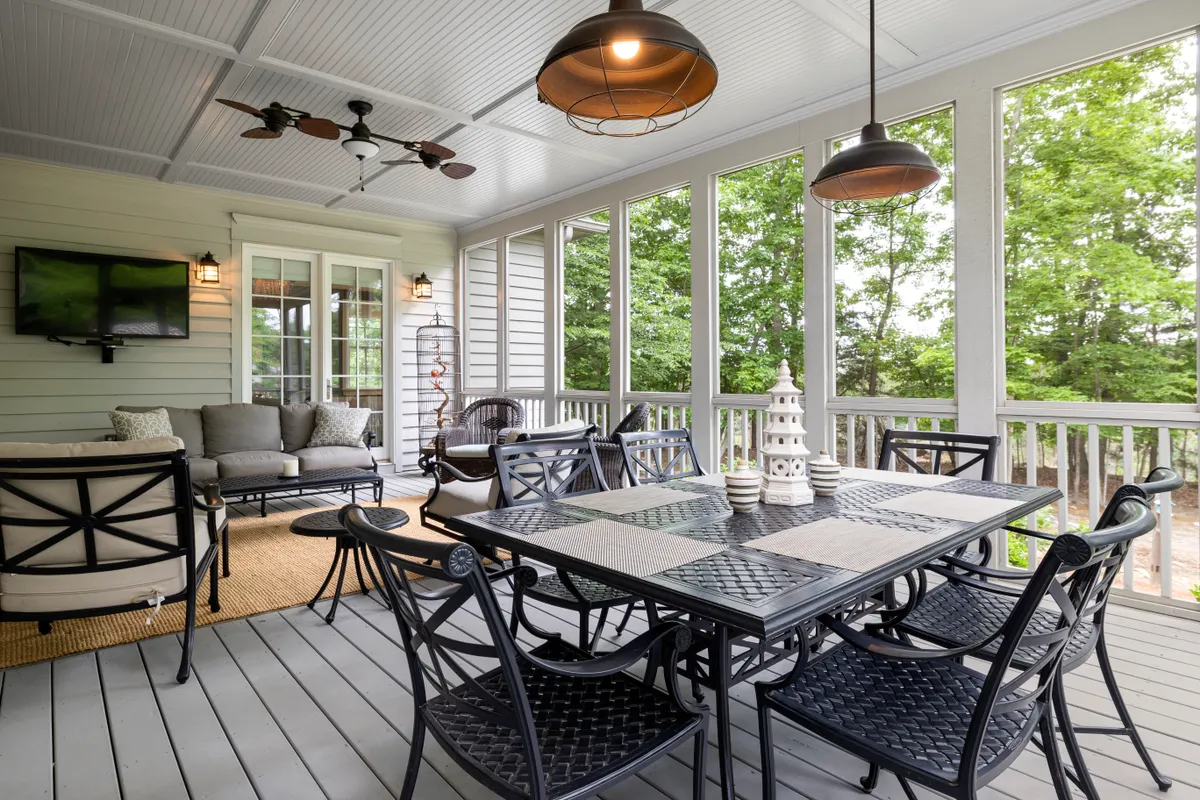
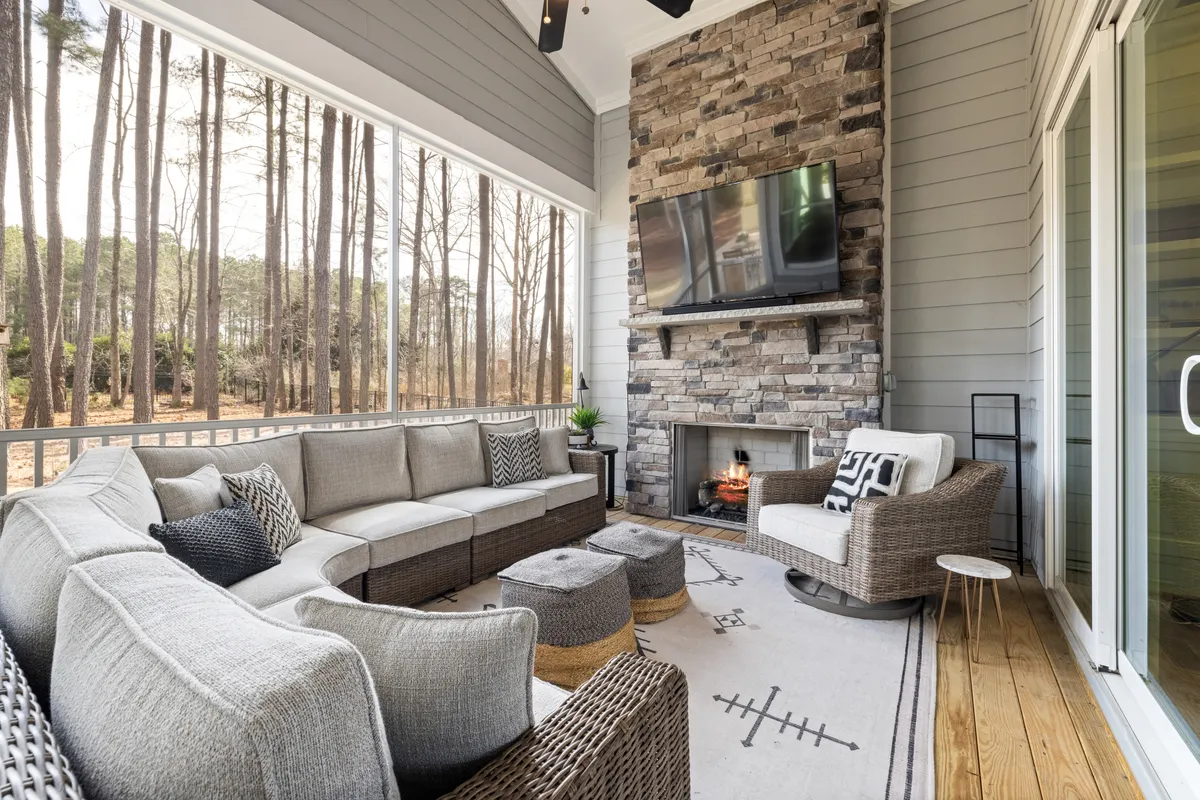
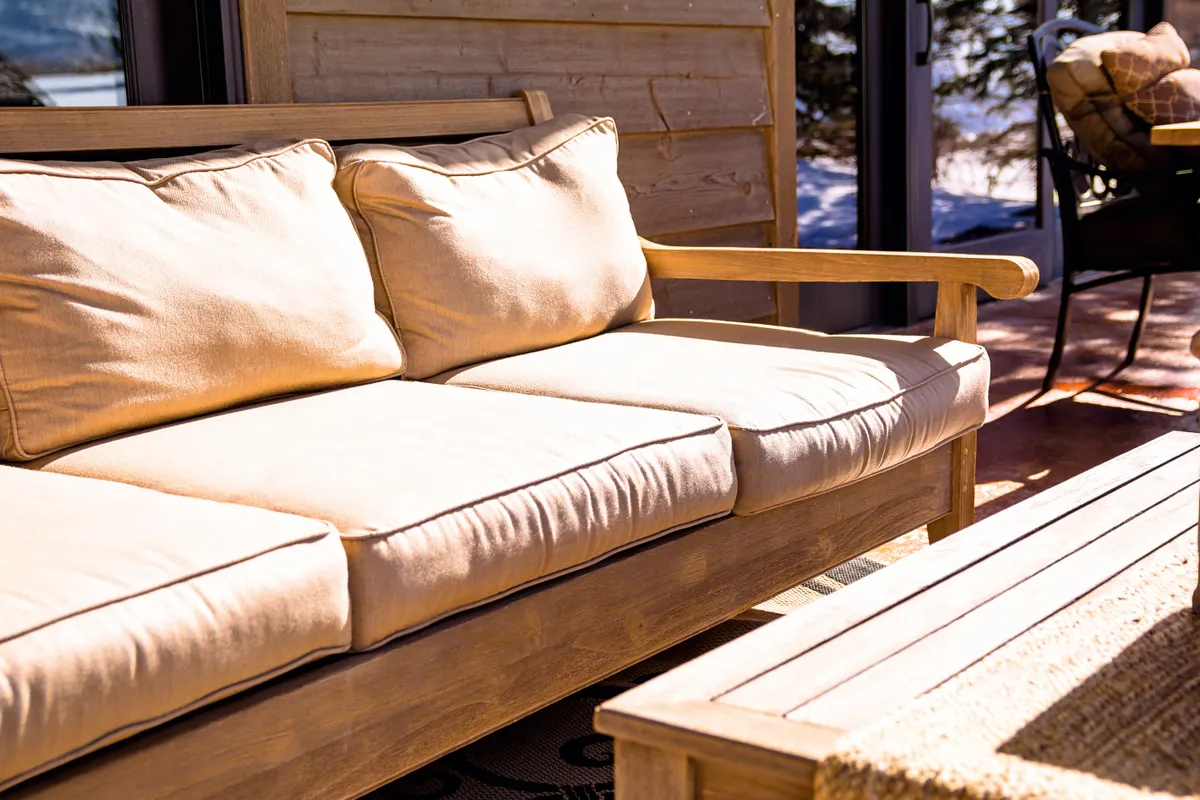
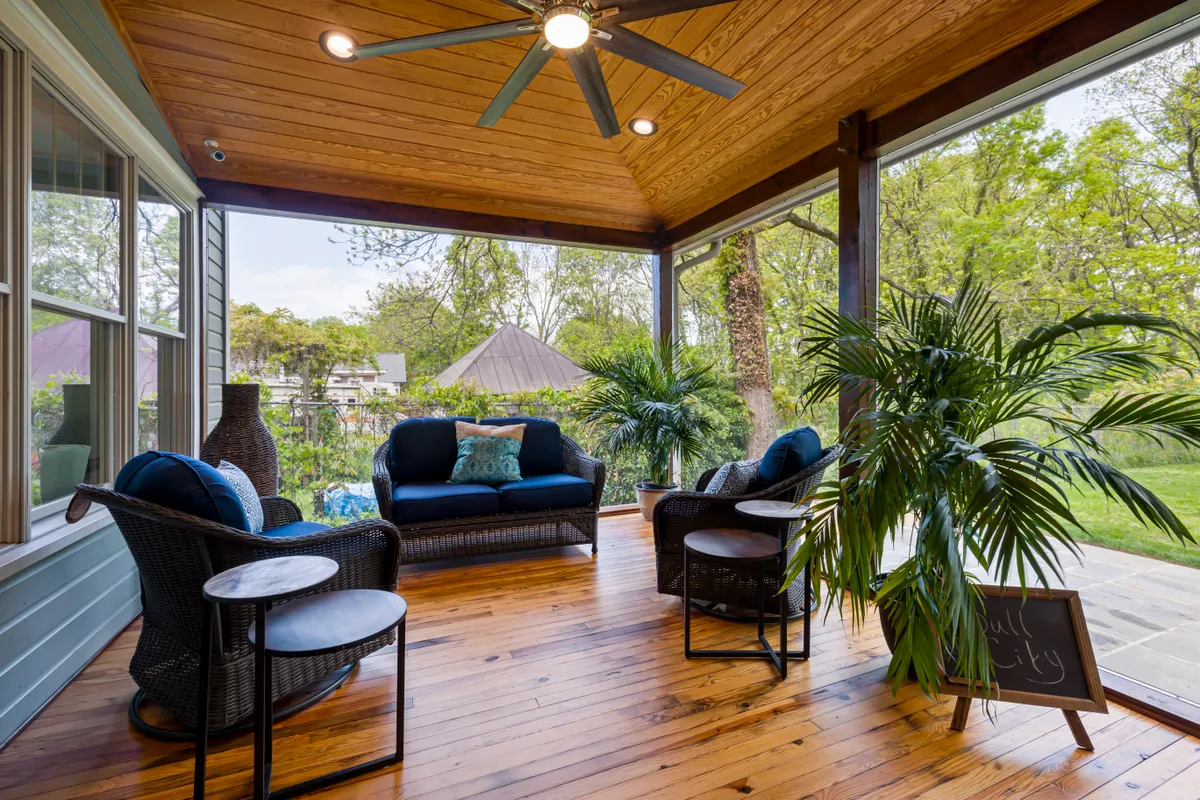
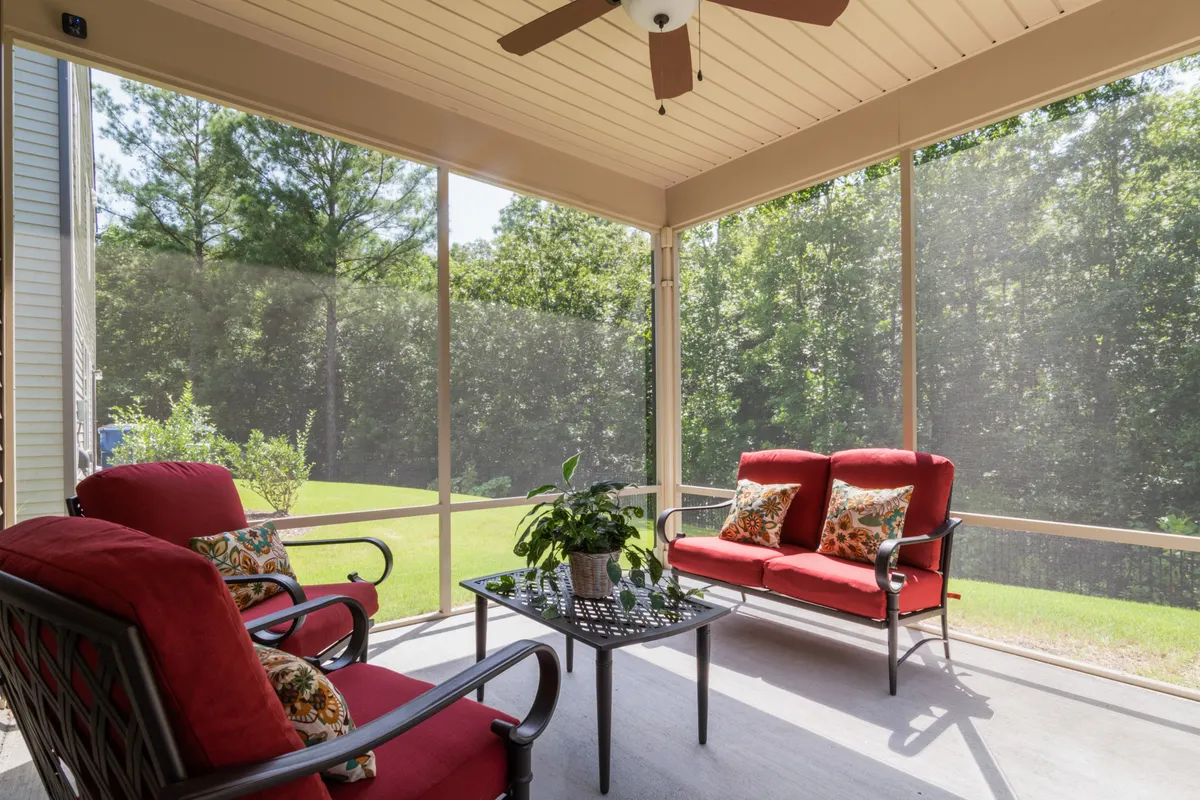
A sample of Trex, TimberTech, and Fiberon composite builds coordinated across the metro.
Why Us
Why Omaha Chooses Us for Composite Decking
Composite installation rewards manufacturer-specific knowledge — the fastener spacing, expansion gaps, and warranty paperwork are where a generic install falls short.
TrexPro & TimberTech Registered Installers
The crews we coordinate for composite work build to each manufacturer's published installation spec — joist spacing, board gapping, hidden-fastener system and breaker-board detail — because those specs are what a manufacturer checks against when a warranty claim is reviewed. We register every completed install with the manufacturer so the paperwork exists before it is ever needed.
Installed to ASTM D7032 and Local Code
Every composite and PVC board installed here meets ASTM D7032, the standard specification for composite and plastic-lumber decking, and the ICC-ES evaluation report that goes with it is exactly what Omaha and Sarpy County inspectors check for at final inspection. Framing underneath still meets the same IRC and DCA 6 requirements as a wood deck — composite changes the surface, not the code underneath it.
One Quote Covers Material, Labor & Warranty Registration
A composite install quote is priced as one number covering the composite boards, hidden-fastener hardware, railing, and manufacturer warranty registration, confirmed after we've walked the site and discussed which line fits the budget. There's no separate line-item surprise for the fastener system or the paperwork afterward.
Not sure composite is the right call versus keeping a wood deck? New deck construction covers pressure-treated pine, cedar, and redwood framing and decking in full, and if the goal is refreshing an existing wood deck instead of converting it, deck staining & sealing covers cleaning, staining, and sealing cadence. Millard's dense stock of 1970s-2000s subdivision homes reaching original-deck replacement age is a good example of the composite-conversion work this page describes — see deck builder in Millard, NE for what that looks like locally. For the complete list of what's coordinated across the Omaha metro, see our services — the same Omaha deck builder crew network behind every composite install here.
Frequently Asked Questions
Is composite decking worth the extra cost over wood in Omaha?
Usually, yes, if you're keeping the house more than about 10 years. Composite installed runs $35 to $65 per square foot versus $25 to $40 for pressure-treated pine, but composite lasts 25 to 30 years against pressure-treated's 10 to 15, which means avoiding one or two full wood replacements over a typical ownership period. Omaha's UV-heavy summers and hard winters also grey and check exposed wood faster than milder climates, which is part of why composite and regular resealing come up on nearly every Millard replacement job we quote. The math tips further toward composite the less a homeowner wants to handle recurring staining and sealing themselves.
What's the difference between Trex, TimberTech, and Fiberon?
All three are capped composite lines — a wood-plastic core wrapped in a protective polymer shell — and the practical differences come down to color range, board groove profile, and price point rather than one being categorically better. TimberTech's AZEK line also offers a fully PVC option with no wood content at all, which costs more, roughly $40 to $75 per square foot installed, but resists moisture and staining even further and can carry warranties up to 50 years. We stock samples from all three composite lines and walk through the trade-offs against budget and how much sun or shade the deck actually gets.
How long does composite decking actually last?
Manufacturer data puts capped composite decking at roughly 25 to 30 years of service life, and fully PVC/capped-polymer decking like AZEK often runs 40 to 50 years or more — compare that to 10 to 15 years for pressure-treated pine and 15 to 20 for cedar. Composite backed by Trex, TimberTech, or Fiberon commonly carries a 25-year limited warranty plus a separate 25-to-50-year fade-and-stain warranty on top of that structural lifespan. Actual lifespan still depends on the framing underneath being built to code — composite boards outlasting a poorly footed or flashed frame just means the surface outlives the structure holding it up.
Do composite decks need any maintenance at all?
Less than wood, but not zero. Composite doesn't need staining or sealing the way pressure-treated pine or cedar does, but it still benefits from an occasional wash to clear pollen, leaf tannin staining, and mildew film, especially in shaded or low-airflow spots. Hidden-fastener systems also mean there are no popped nails or screws to reset over time, which is one of the more common wood-deck repair calls we get. Beyond periodic cleaning, most composite decking needs no refinishing for the length of its 25-to-50-year warranty term.
Is composite decking installed the same way as wood?
The frame underneath is identical — footings below Omaha's 42-inch frost line, a flashed ledger, and joists spaced to code — but the decking surface itself installs differently. Composite boards use a grooved edge paired with a hidden-fastener clip system, commonly CAMO or FastenMaster hardware, rather than face-screwing like wood decking, which leaves no visible fastener heads and lets the board expand and contract with temperature without splitting. That fastener difference is reflected in the composite per-square-foot labor rate, not billed as an add-on.
Does composite decking meet Omaha's building code?
Yes. Composite and PVC decking sold and installed in North America is manufactured to ASTM D7032, the standard specification for composite and plastic-lumber decking, and typically carries an ICC-ES evaluation report — exactly what Omaha, Sarpy County, and Papillion building officials look for at final inspection. The structural framing underneath still has to meet the same IRC Section R507 and AWC DCA 6 requirements as a wood deck; composite changes the wear surface, not the footing depth or ledger flashing rules.
Can I install composite decking over my existing deck frame?
Sometimes, if the existing frame passes inspection for joist spacing, ledger flashing, and footing depth to current code — which older Millard and Ralston decks built decades ago frequently don't. We inspect the frame first rather than assuming it's reusable, since installing new composite decking over an out-of-code frame just relocates the safety problem rather than solving it. In most full composite conversions we end up rebuilding at least the ledger connection and some joists even when the rest of the frame is salvageable.
How much does a composite deck cost compared to a total wood deck?
A typical 16x20 (320 square foot) composite deck runs $13,000 to $24,000 installed, compared to $6,000 to $15,500 for the same footprint in pressure-treated pine — roughly double at the low end, narrowing somewhat at the high end once premium wood species are involved. That gap reflects material cost more than labor, since composite framing underneath is priced the same as a wood build. We quote both side by side on request so the lifetime cost difference, not just the sticker price, is part of the decision.
Which composite brand handles Nebraska winters best?
Trex, TimberTech, and Fiberon are all engineered for freeze-thaw climates and are installed throughout the Midwest, so brand alone isn't usually the deciding factor for Nebraska winters — board groove design and fastener spacing to allow for thermal movement matter more. AZEK's fully PVC line handles moisture and freeze-thaw cycling slightly better than capped composite because it contains no wood fiber to absorb water at the core. We size fastener spacing and expansion gaps to the manufacturer's cold-climate specifications on every install, which is the detail that actually prevents winter buckling.
Do you install composite decking to the manufacturer's spec?
Yes — and it matters more than most homeowners expect, because a composite warranty is written against the installation instructions, not against the brand name on the box. Trex, TimberTech and Fiberon each publish their own joist spacing, board gapping, fastener and breaker-board requirements, and those differ enough between brands that a crew working from habit rather than the current spec sheet can void coverage on an otherwise perfect-looking deck. We build to the published spec for the exact product going down, including the tighter joist spacing that diagonal and picture-frame layouts require. Every completed composite install is registered with the manufacturer as part of the job, so the paperwork trail exists before it is ever needed.
Get Your Composite Decking Quote
Trex, TimberTech, AZEK & Fiberon — installed to ASTM D7032 and backed by manufacturer warranty. Call (402) 810-7834, 24 hours a day.
(402) 810-7834