Deck Builder · Omaha, NE
New Deck Construction in Omaha, NE
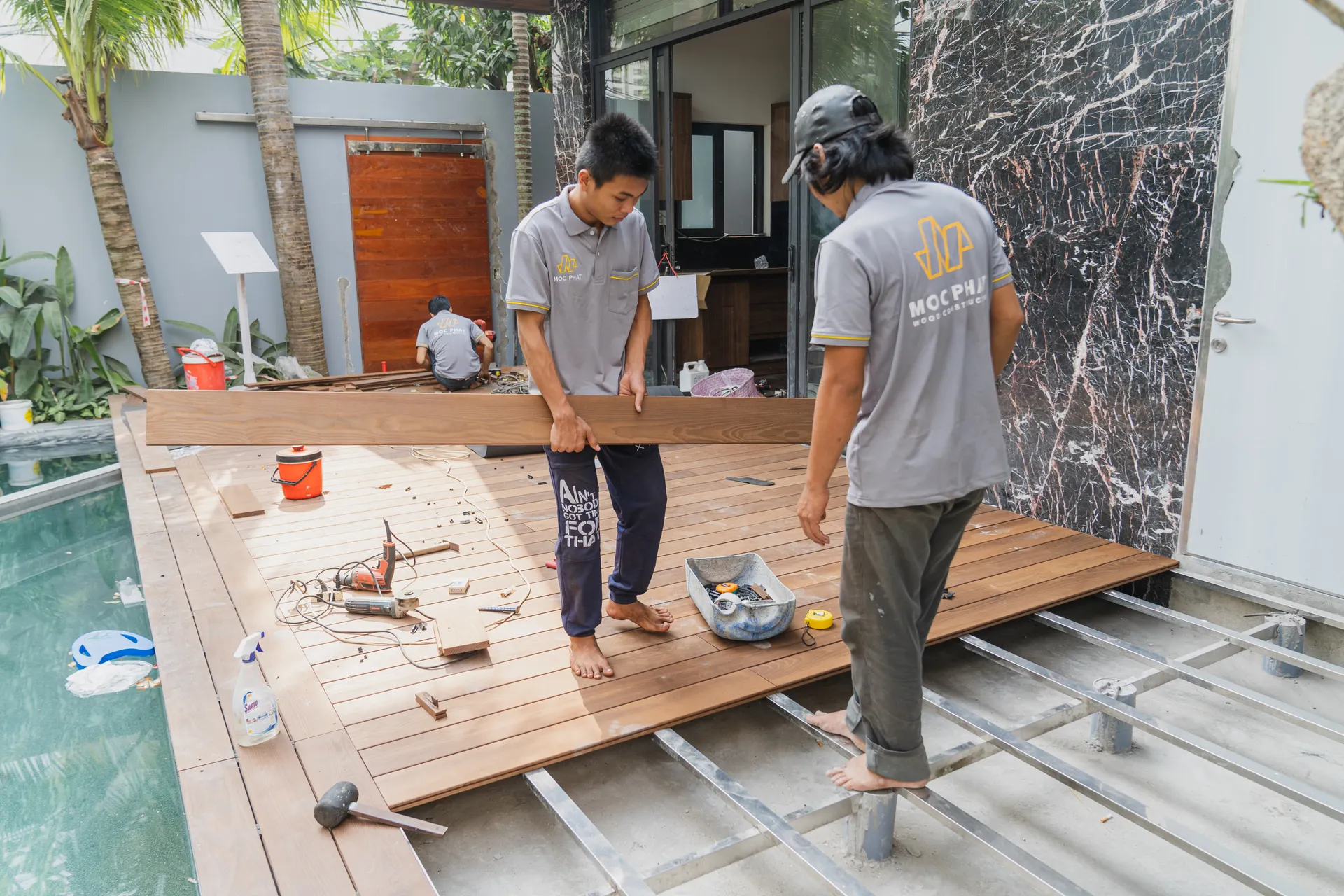
Omaha Deck Builder Co coordinates new deck construction across Omaha, Millard, Elkhorn, Papillion, La Vista, and the wider Sarpy and Douglas County metro — calls answered 24 hours a day, with a written quote agreed before ground breaks. Whether it's a first-run cedar deck off a new-build walkout in Elkhorn or a full pressure-treated replacement on an aging Millard lot, the deck crews coordinated here handle new construction as a complete, code-checked job: design, permitting, footings, framing, decking, railing, and a passed final inspection.
New construction here starts and ends with the ground underneath it. Omaha and Sarpy County sit on expansive eastern-Nebraska clay that swells when wet and shrinks hard when it dries, so the IRC and the City of Omaha both require deck footings to bear below the region's 42-inch frost line — a shallow footing in this soil heaves and cracks a deck's connection within a season or two. Elkhorn's rolling, walkout-basement lots push a large share of new decks into elevated, multi-level structures from the first framing square.
This page covers new deck construction — building a deck from the ground up, whether it's a simple ground-level platform or a full elevated build. Composite and PVC selection is covered on composite decking installation; repair of an existing deck is deck repair & restoration.
A new build runs through design and permitting, footings and framing, decking and railing, then a scheduled final inspection — most straightforward 16x20 decks are framed and decked within one to two weeks. When Omaha homeowners choose us for new construction, they're getting a deck engineered to the frost line and the code, not just to the eye.
What We Do
Our New Deck Construction Services in Omaha
A ground-level platform, a full elevated build, and a frost-line footing job each need a different approach — here's how the coordinated crews scope new construction across the Omaha metro.
New Wood & Cedar Deck Construction
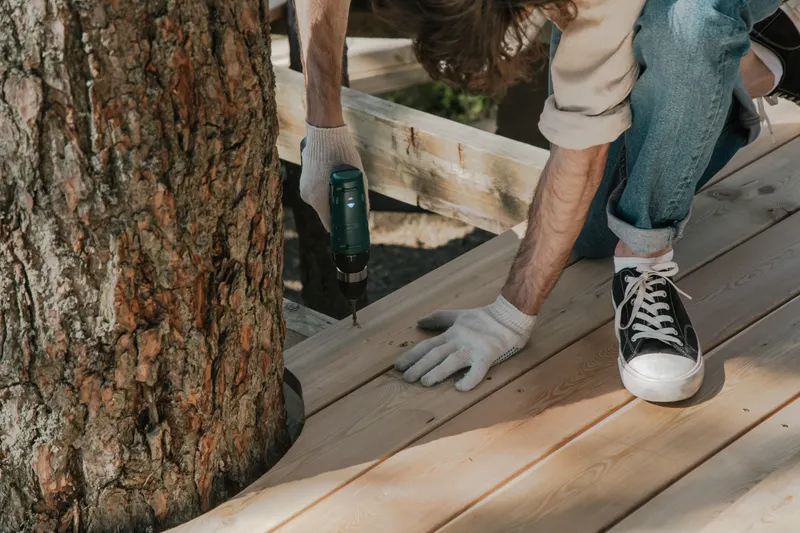
A new wood deck typically starts with pressure-treated Southern yellow pine framing, then a decking surface of pressure-treated pine, western red cedar, or redwood depending on budget and how much natural grain the homeowner wants visible. Pressure-treated decking runs roughly $25 to $40 per square foot installed, while cedar and redwood run $30 to $50, and a typical 16x20 build lands in the $6,000 to $15,500 range once footings, framing, and railing are included.
Cedar and redwood decks generally hold up 15 to 20 years before major refinishing or board replacement, compared with 10 to 15 years for pressure-treated pine — worth weighing against the lower upfront cost.
Footings, Framing & Code Compliance
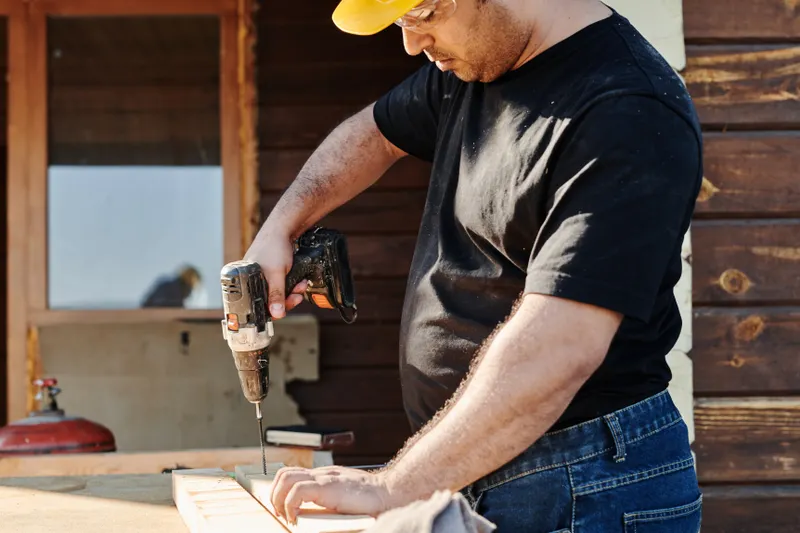
Every new deck we coordinate is engineered to IRC Section R507 and the AWC DCA 6 deck guide, which govern ledger attachment, joist spans, and footing depth. In Omaha, Millard, and Elkhorn that means concrete pier or helical-pile footings dug below the 42-inch frost line, a fully flashed ledger bolted to the house with lateral-load connectors, and joists spaced to span tables rather than guessed at.
The ledger connection is where roughly 90% of deck collapses happen nationally, so it's the one detail we won't shortcut.

Elevated, Second-Story & Walkout-Basement Decks
West Omaha's rolling terrain and Elkhorn's newer subdivisions run heavy on walkout and daylight basements, so a large share of new decks here are elevated structures off the main floor with stairs down to a walkout patio rather than simple ground-level platforms. Anything over 30 inches above grade triggers guardrail and structural-drawing requirements, and the framing has to carry both the deck live load and stair stringer loads down to grade.
We size posts, beams, and stair stringers to that elevation from the first design sketch, not as an afterthought once framing is underway.
The Benefits
The Value of a New Deck in Omaha
A new deck is one of the few exterior projects that pays a real share of its cost back — but only when it's built to code.
A New Deck Pays Back at Resale
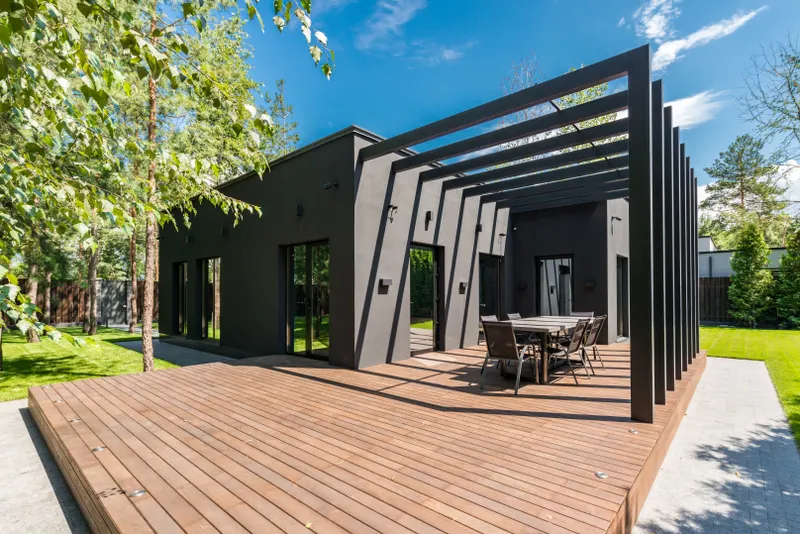
Remodeling's 2025 Cost vs. Value Report puts a wood deck addition's resale recovery at roughly two-thirds or more of its cost nationally — about $17,051 in cost against $11,390 in resale value — one of the higher-ROI exterior projects a homeowner can take on. That value only holds up if the deck is built to code; an uninspected or under-built deck is a disclosure liability at resale, not an asset.
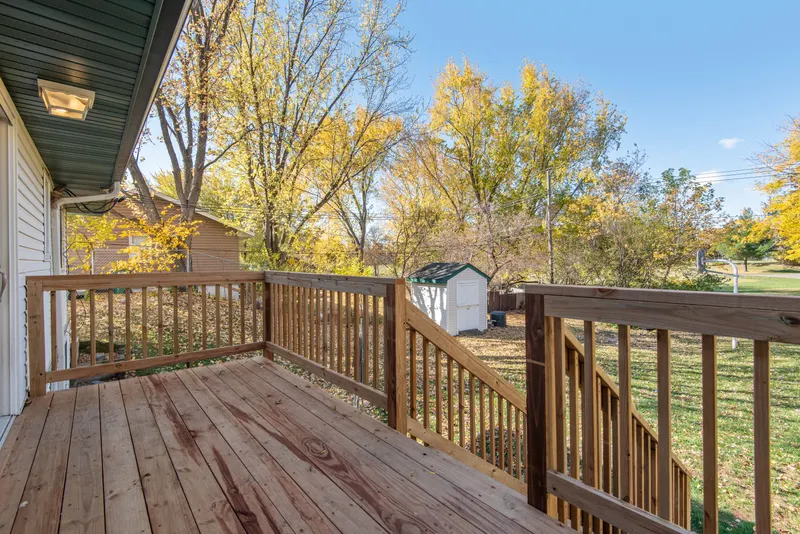
New Construction Recovers Even More Under NAR Data
The National Association of Realtors puts new wood deck resale recovery even higher, at up to roughly 89% of construction cost, and outdoor living upgrades are consistently among the most-requested home improvements nationally. A new deck is rarely standalone either — Omaha homeowners routinely pair it with the custom & multi-level deck features that turn a platform into usable square footage.
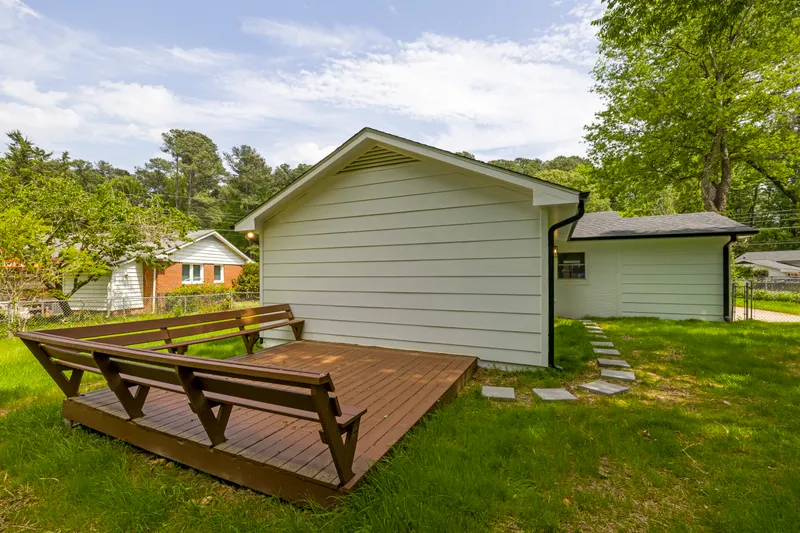
Decks Are the Most-Requested Outdoor Upgrade
Outdoor-living surveys find decks are the single most-requested structural upgrade among homeowners, at roughly 43%, and about 63% say they'd prioritize an outdoor living space if they remodeled at all. That demand shows up locally as a steady mix of first-run builds on new Elkhorn homes and full replacements on Millard and Ralston lots whose builder-grade decks have aged out.
Our Work
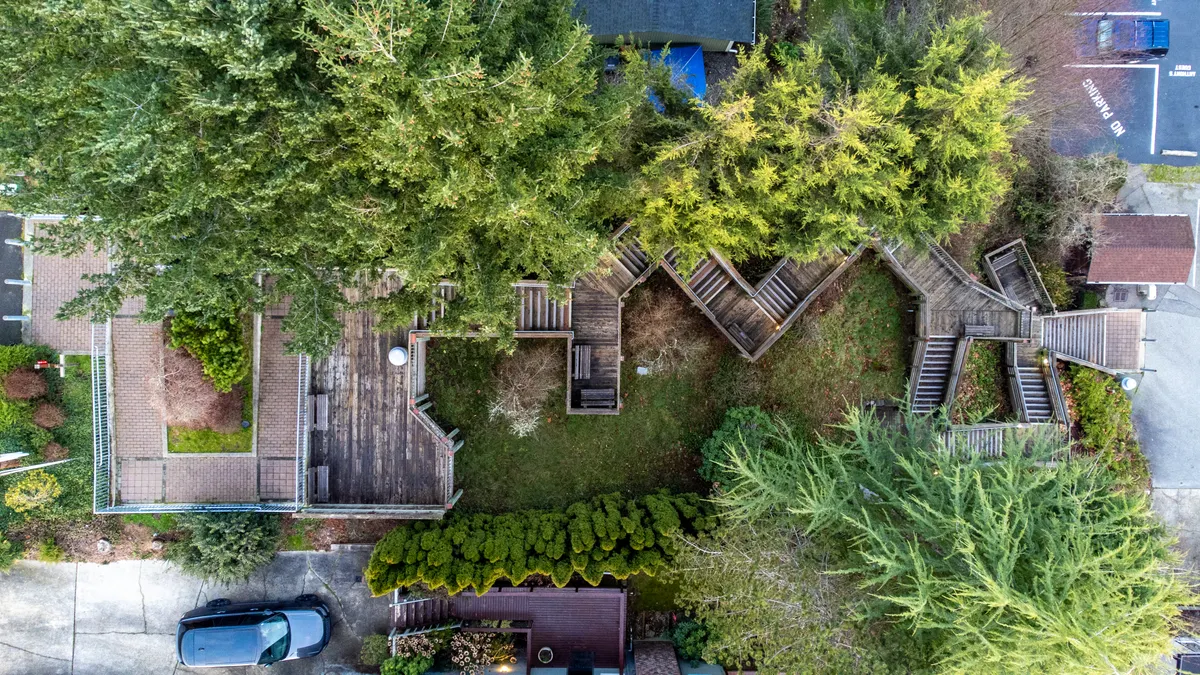
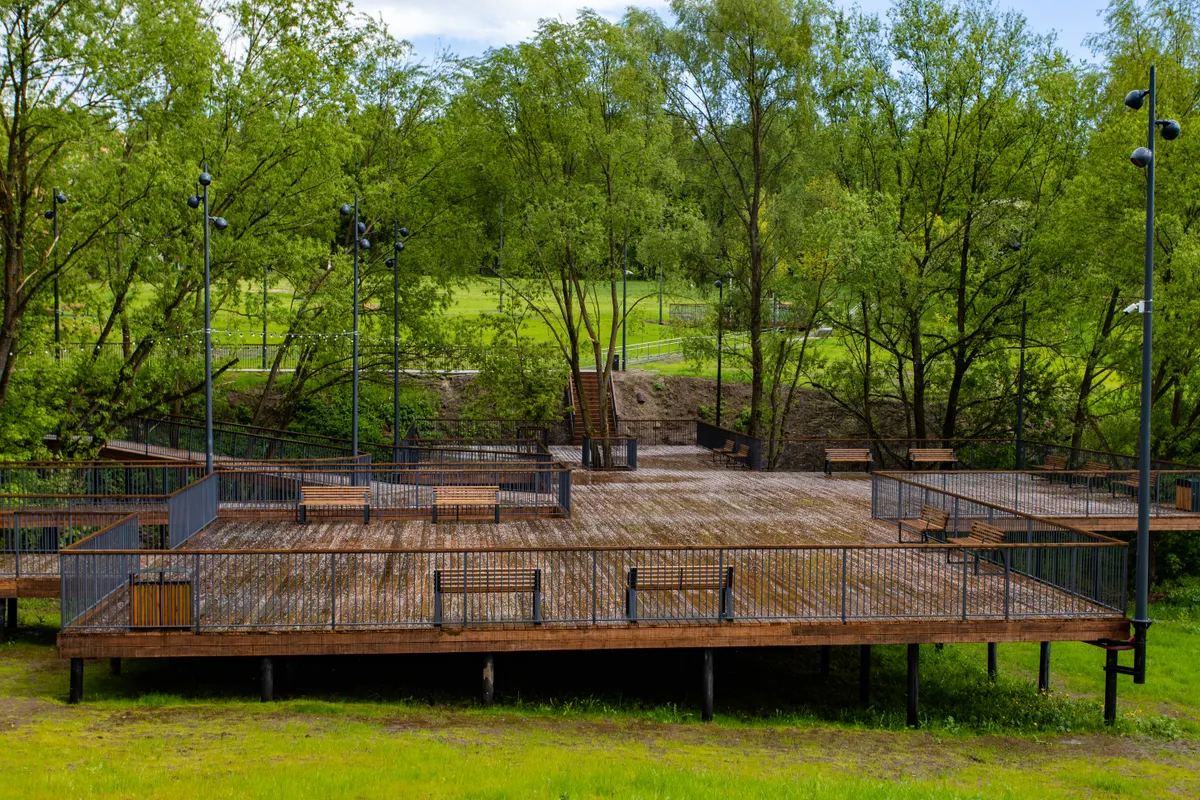
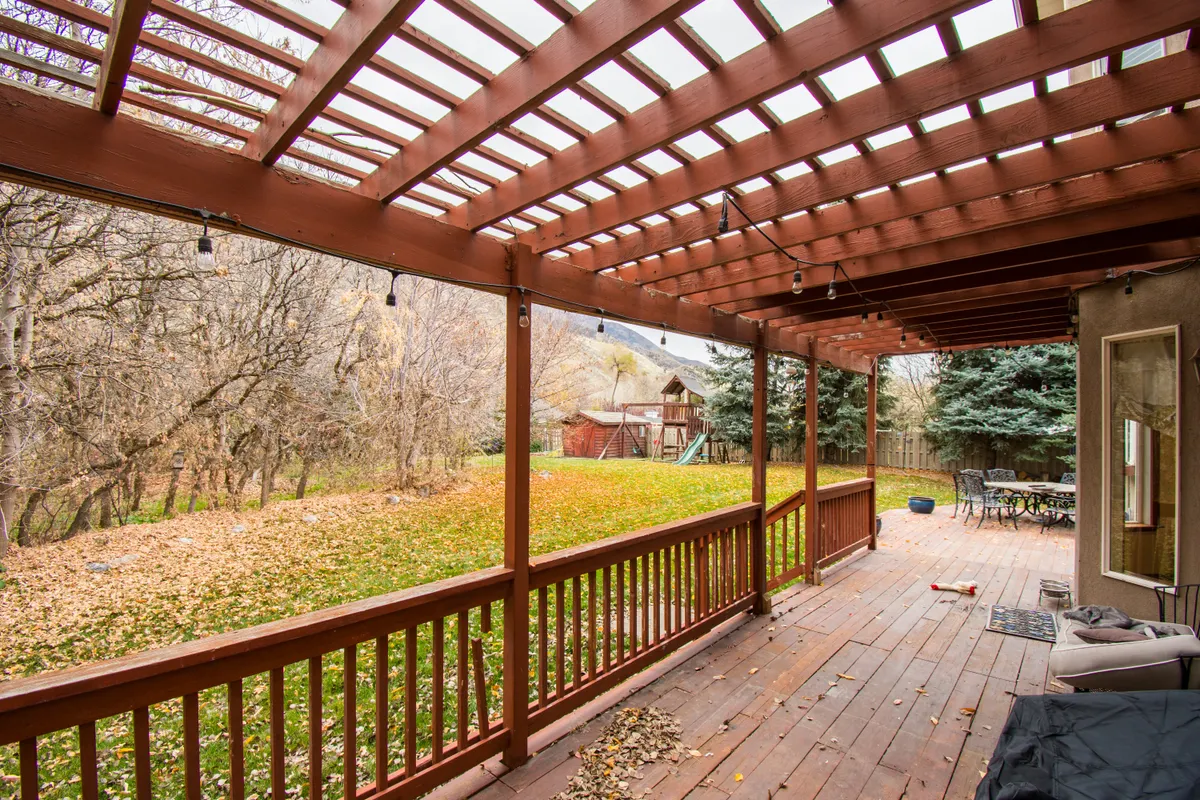
Recent New Deck Builds Across the Omaha Metro
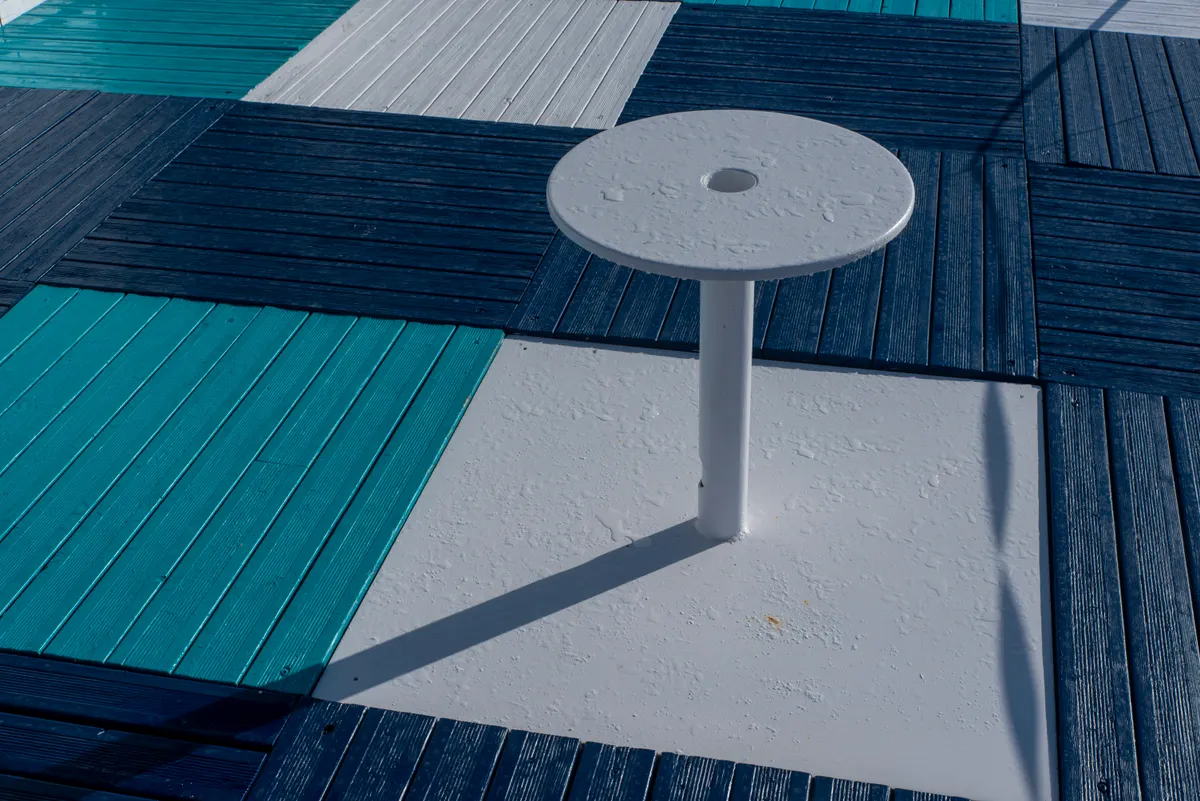
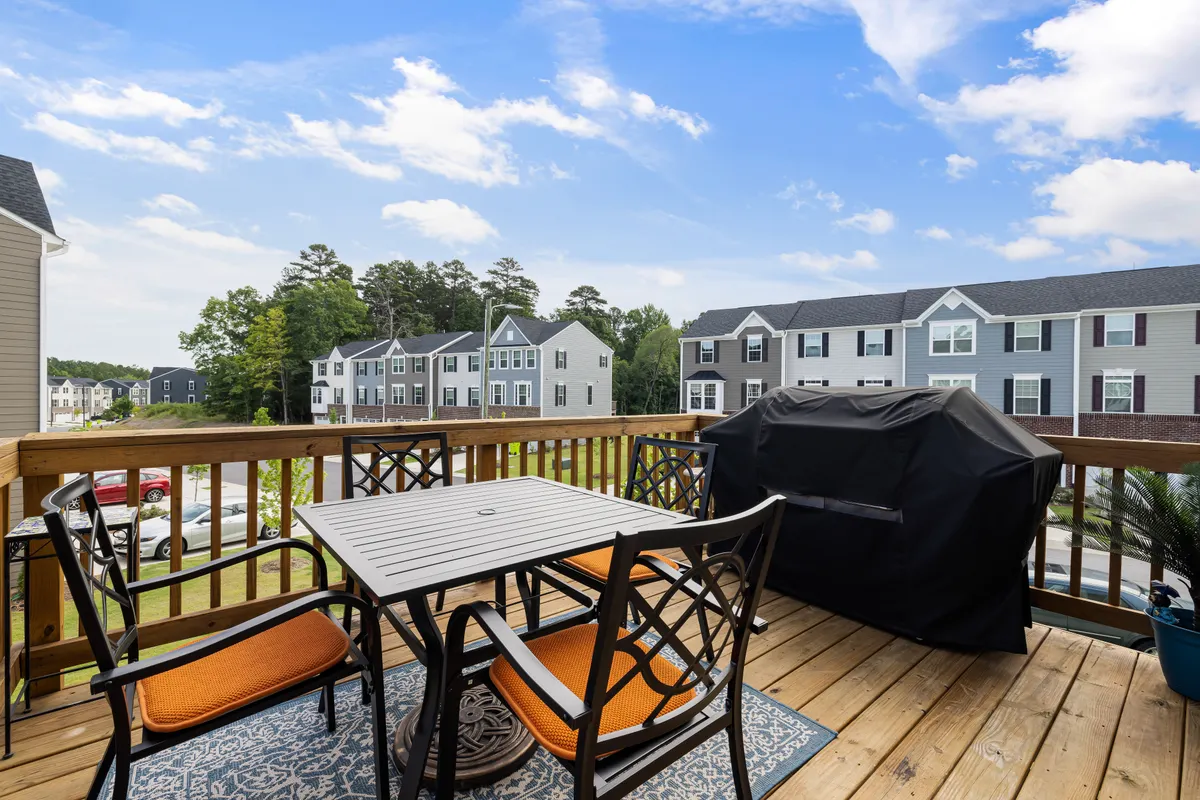
A sample of new construction coordinated for homeowners across Omaha, Millard, Elkhorn, and Sarpy County.

Why Us
Why Omaha Chooses Us for New Deck Construction
The design has to be realistic, the permit has to reach the right office, and the footing has to go exactly as deep as the code requires — in that order, on every new build across the metro.
NADRA-Aligned, OSHA-Trained Crews
Every new build is staged against the inspection points that actually matter — footing depth signed off before concrete, framing and ledger flashing signed off before decking closes it in. That sequence is deliberate: both are invisible once the deck is finished, and both are where a deck fails years later. We schedule around those holds rather than working ahead of them, because a footing poured shallow and covered is not something anyone can check afterwards.
Built to the Frost Line, Not the Weather Forecast
Every footing goes below Omaha's 42-inch code frost line regardless of season, and every ledger gets continuous flashing tape and lateral-load connectors per DCA 6 — the two details that separate a deck that lasts decades from one that heaves or pulls away within a few winters. We build to the code minimum as the floor, not the ceiling.
One Fixed Quote, No Framing-Day Surprises
A new deck quote covers design, permitting, footings, framing, decking, and railing as one fixed number, confirmed after a site visit rather than estimated over the phone. If soil conditions or an unexpected utility line change the footing plan once digging starts, that's discussed and priced before work continues, not added to the invoice.
Choosing between wood, composite, or PVC for the decking surface? Composite decking installation covers Trex, TimberTech, and Fiberon options in detail, and the elevated, walkout-basement, and tiered builds so common on Millard and Elkhorn's rolling lots are covered further on custom & multi-level decks. Elkhorn's mix of first-run new construction and 2024 storm-rebuild demand is a good example of the frost-line footing and elevated-framing work this page describes — see deck builder in Elkhorn, NE for what that looks like on the ground. For the complete list of what's coordinated across the Omaha metro, see our services — the same Omaha deck builder crew network behind every new build here.
Frequently Asked Questions
How much does it cost to build a new deck in Omaha?
A professionally installed new deck runs roughly $25 to $80 per square foot in 2026, with pressure-treated pine at the low end around $25 to $40 and premium composite or PVC toward the high end at $35 to $75. A typical 16x20 (320 square foot) pressure-treated deck lands in the $6,000 to $15,500 range once footings, framing, and railing are included, while a comparable composite build runs $13,000 to $24,000. Elevation, railing type, stairs, and excavation needs all shift the final number, so every quote is confirmed after an on-site walkthrough.
Do I need a permit to build a new deck in Omaha?
Yes, in almost every case. The City of Omaha — which covers Millard and Elkhorn, both annexed suburbs — requires a building permit for any deck attached to the house and for any deck more than 30 inches above grade, with a site plan plus structural drawings. Papillion, La Vista, Gretna, and Ralston each run their own building department under the same adopted IRC, so the issuing office depends on the exact address. We pull the permit and prepare the structural drawings as part of every new-build quote.
How deep do deck footings need to be in Omaha?
Footings across the Omaha metro have to bear below the region's frost line, commonly cited at 42 inches below finished grade, per IRC Section R403.1.4 and R507.3 — considerably deeper than many states require. That depth exists because eastern Nebraska's expansive clay swells when saturated and shrinks hard when dry, and a shallow footing in that soil heaves seasonally, cracking the deck's connection over time. We dig or drive helical piles to that depth on every job, since a footing poured too shallow is the most common reason a well-built deck fails early.
How long does it take to build a new deck?
A small ground-level deck around 10x10 with good site access typically takes 2 to 4 days once permitting is complete, a mid-size single-level 16x20 deck runs 1 to 2 weeks, and a large or multi-level elevated build takes 2 to 4 weeks. Permit approval can add several days to a few weeks depending on jurisdiction, which is why we submit for permit as soon as the design is finalized. Weather and material availability can shift these windows, and we build the schedule around the actual footing and inspection dates.
Does a new deck actually add value to my home?
Yes — Remodeling's 2025 Cost vs. Value Report puts a wood deck addition's resale recovery at roughly two-thirds or more of its cost nationally, and the National Association of Realtors cites new wood deck resale recovery as high as about 89% in some markets. Outdoor living space is also one of the most-requested home improvements homeowners make, with roughly 43% naming a deck as their top structural upgrade. That value depends on the deck being permitted correctly, though — an unpermitted deck is a disclosure liability at resale, which is why every build we coordinate ends with a passed final inspection.
Can you build an elevated or second-story deck off a walkout basement?
Yes, and it's one of the most common builds we coordinate in Millard and Elkhorn specifically, where rolling terrain and daylight-basement lots make an elevated deck off the main floor — with stairs down to the walkout patio — the standard layout. Anything more than 30 inches above grade triggers guardrail and structural-drawing requirements, and the posts, beams, and stair stringers all have to be sized for the added height and load from the design stage, not adjusted mid-framing. Custom multi-level and stepped layouts are covered in more depth on our custom & multi-level decks page.
What's the difference between a ground-level deck and an elevated deck in terms of cost and permitting?
A ground-level or floating deck sitting close to grade on precast deck blocks often avoids the frost-line footing requirement and the 30-inch guardrail trigger, keeping permitting and cost simpler and typically cheaper per square foot. An elevated deck needs full frost-depth footings, engineered posts and beams, code-compliant guardrails at roughly 36 inches high, and usually a stair structure down to grade, all of which add labor and permit review time. Most Millard and Elkhorn walkout-basement lots end up needing the elevated version because the main floor sits well above the yard.
What warranty comes with a new deck build?
Workmanship and labor warranties on new deck construction typically run 1 to 5 years depending on scope, and any structural hardware — Simpson Strong-Tie connectors and similar — carries the manufacturer's own warranty terms as long as it's installed to spec. If composite or PVC decking is selected instead of wood, that material often carries a much longer 25-to-50-year manufacturer warranty, covered in detail on our composite decking installation page. We put the specific warranty terms in writing as part of the quote.
Who inspects a new deck build, and at what stage?
The City of Omaha inspects, and it happens twice on a typical deck. The first hold is on the footings, before any concrete goes in, so an inspector can confirm the holes bear below the 42-inch frost line on undisturbed soil. The second is on framing — the ledger connection, its flashing, and the lateral-load connectors — before decking boards close everything up and hide it. We build to the IRC and AWC DCA 6 deck code against those checkpoints on every job, and schedule the work so neither hold gets built over. Elkhorn and Millard go through the same City of Omaha process; Papillion and La Vista use Sarpy County jurisdictions with equivalent stages.
Can I build a deck myself, or does it need a professional crew?
Nebraska doesn't require a state contractor license for most residential deck work, but the City of Omaha and surrounding jurisdictions still require a permit with structural drawings regardless of who builds it, and an inspector still has to sign off on footings and framing before use. A DIY deck that fails inspection on footing depth or ledger flashing means tearing out and redoing that portion of the work, typically costing more than having it engineered correctly the first time. We coordinate design, permitting, and construction as one package so that risk doesn't land on the homeowner.
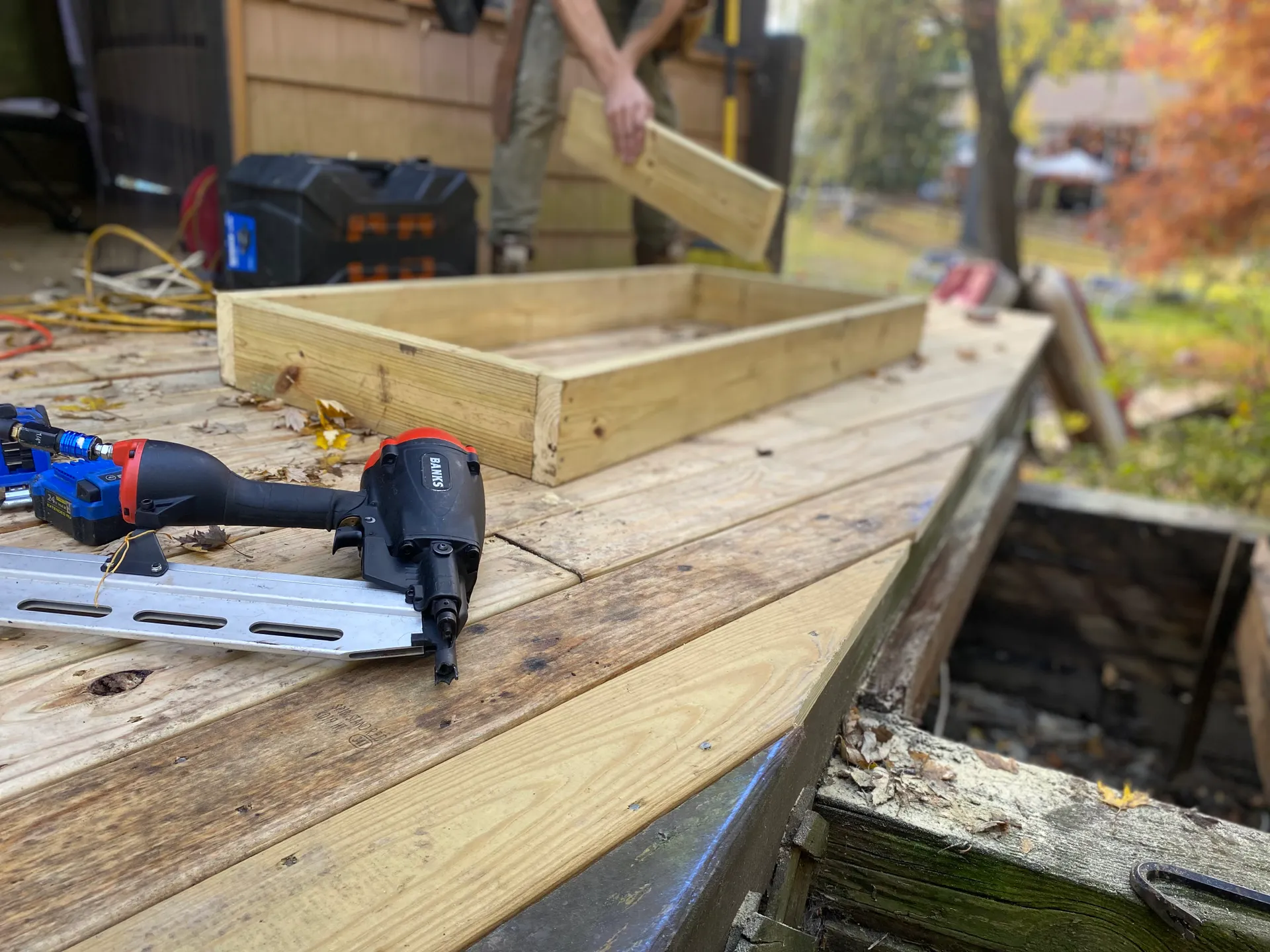
Get Your New Deck Construction Quote
Wood, cedar, or composite — designed, permitted, and built to code. Call (402) 810-7834, 24 hours a day.
(402) 810-7834