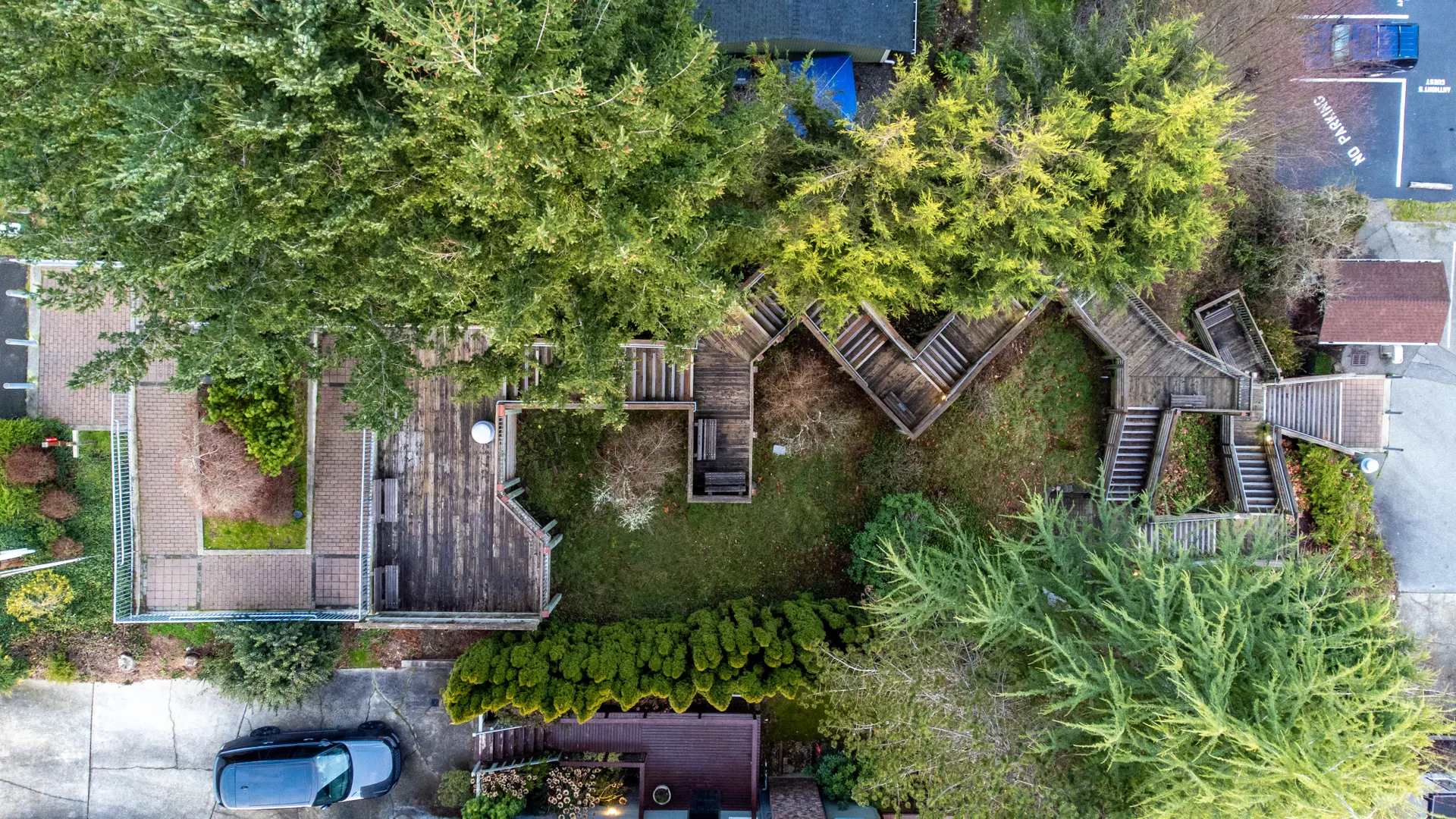
Deck Builder · Omaha, NE
Deck Builder in Millard, NE
Millard is where Omaha Deck Builder Co keeps its trucks parked, so a deck job here is rarely more than a few minutes away. At Omaha Deck Builder Co, we specialize in new construction, repair, and composite conversions, and every footing depth is recorded before the pour. The eastern Nebraska frost line runs 42 inches deep, and every footing has to clear it or the deck moves.
Millard covers 32.73 square miles, carries a median household income of $92,552, and is home to well over 110,480 residents — big enough to run from single-story ranch homes off Q Street to two-story builds backing established yards further west. We handle the straightforward tear-off-and-replace of a thirty-year-old pressure-treated deck and the harder job: a full walkout-basement build with stairs down two levels to the patio. Residential is the bulk of it, but we've built decks behind small commercial properties near 144th & Center too.
Old Millard, the blocks around Millard Avenue and L Street, still carries some of the neighborhood's oldest housing stock and its most mature trees — bigger jobs, more careful staging, decks that have to hold up under real shade and root pressure. Millard incorporated as its own town in 1885, decades before Omaha annexed it in 1971, and that older core still shapes what a deck crew finds under an aging structure. Call (402) 810-7834 anytime; we're Open 24 Hours, and dispatch knows these streets.
Local Service
Deck Building & Replacement for Millard's Ranch and Split-Level Homes
Millard's stock is dominated by 1970s-2000s subdivision homes, and the single most common call we get here isn't a first deck — it's replacing one that's already reached the end of its life.
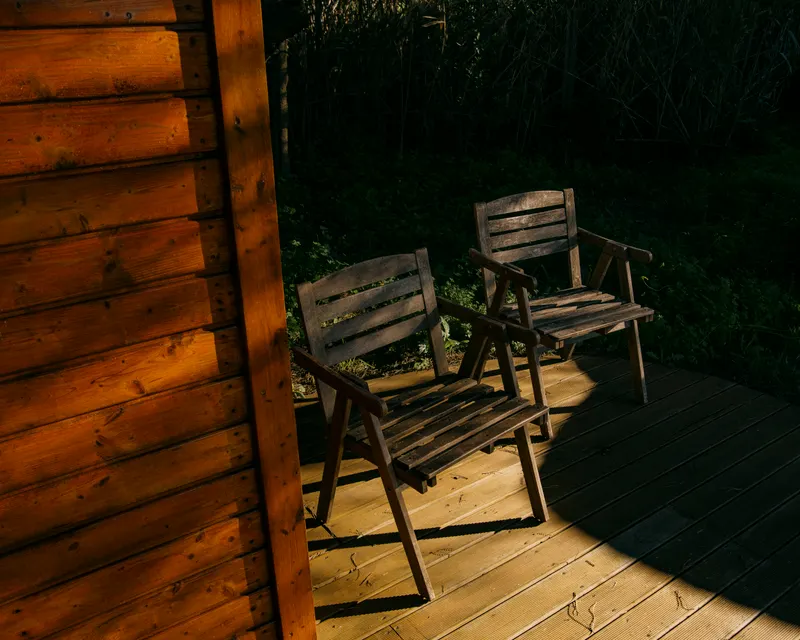
Tear-Off Replacement for Millard's Original Builder-Grade Decks
Most Millard decks we're called out to aren't new builds — they're replacements. The subdivision boom that built out Millard from the 1970s through the 2000s put a pressure-treated deck on almost every ranch and two-story home, and thirty-plus years of Nebraska weather has caught up with a lot of them.
Rebuilding in the Material That Fits the House
We tear the old structure down to the posts, check the footings against current code, and rebuild in the material that fits the house — often composite, since a homeowner replacing a deck once usually doesn't want to do it twice. Old boards, joists, and any buried post stubs get hauled off as part of the job.
Elevated & Multi-Level Decks Off Millard's Walkout Basements
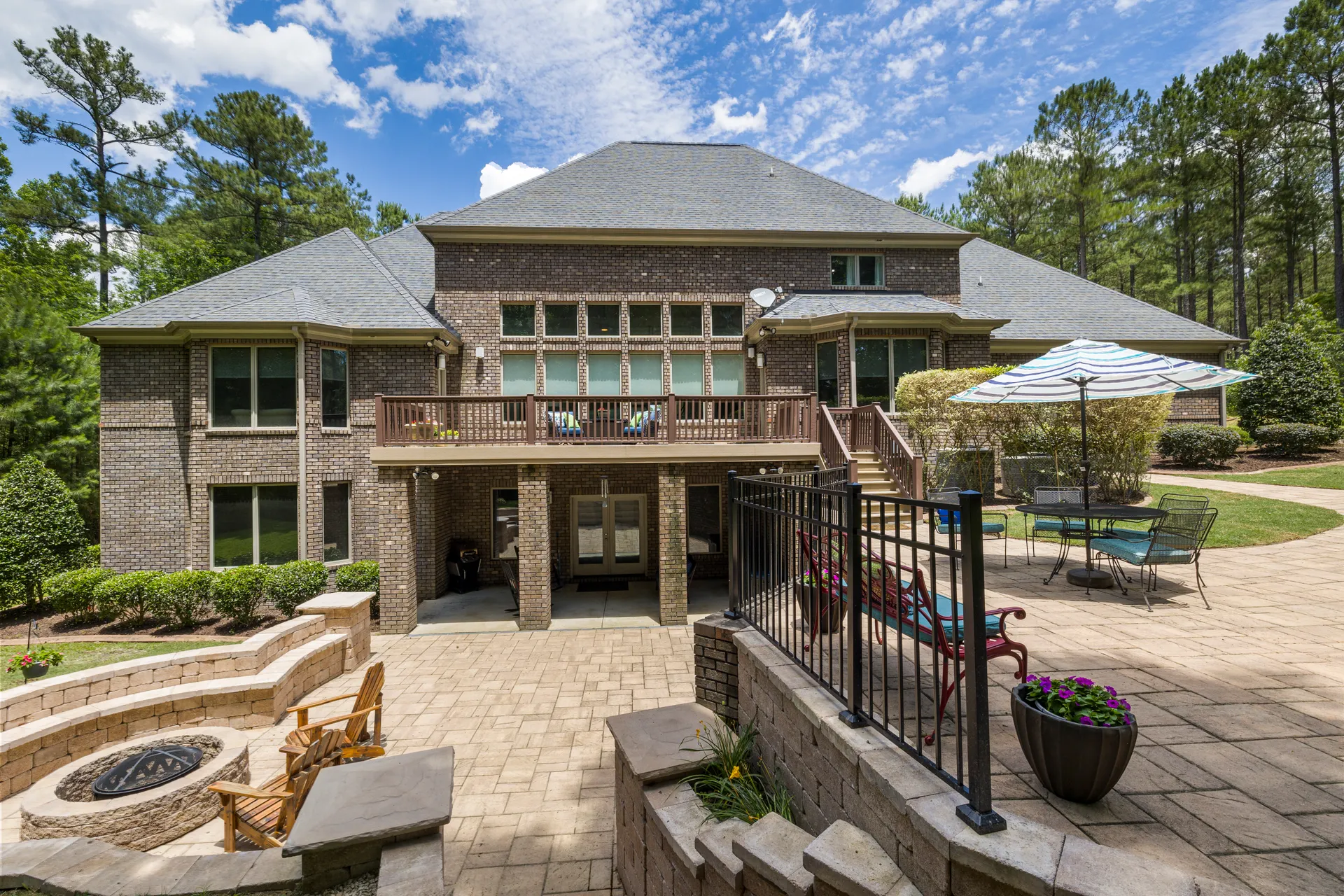
West Omaha's rolling terrain means a walkout or daylight basement is common on Millard lots, and that changes the whole shape of the deck. Instead of a single low platform, the job is usually an elevated deck off the main floor with a stair run down to a walkout patio — a structure that crosses the 30-inch-above-grade line where a guardrail becomes mandatory.
We frame these as true multi-level builds: proper post sizing for the added height, lateral-load connectors at the ledger, and a stair stringer layout that isn't an afterthought. It's a bigger job than a ground-level deck, and we price it that way up front.
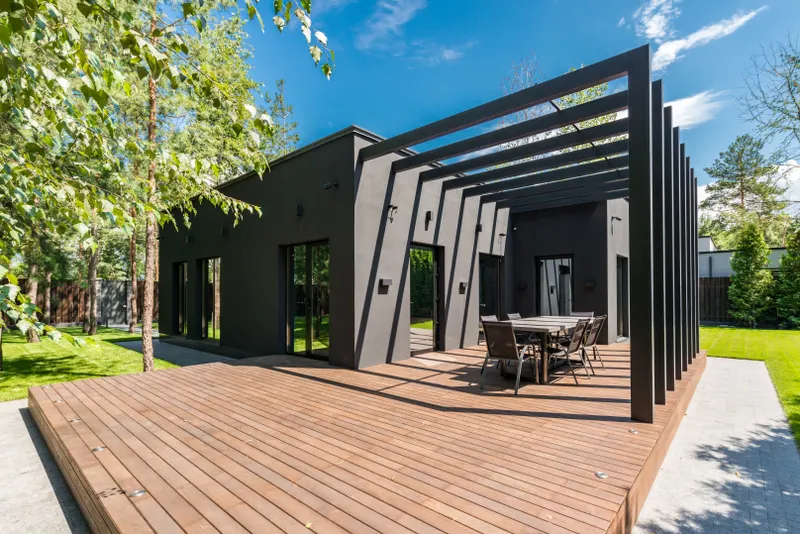
Composite & Wood Options for Millard's Established Yards
Millard's older blocks carry established trees and mature yards, and that shade is nice for the yard but hard on exposed wood — Omaha's continental climate swings from UV-heavy, hail-bearing summers to sub-zero winters, greying, checking, and cupping an unsealed deck faster than most homeowners expect.
For a shaded Millard lot we usually walk through composite first — it skips the yearly sealing argument — but plenty of owners still want real cedar or pressure-treated wood, and we build both to the same footing and ledger standard. The right call depends on how much sun the deck gets, not a sales pitch.
Local Service
Frost-Line Footings & Permits Under the City of Omaha
Millard was annexed by Omaha back in 1971, and that one fact decides who signs off on a deck permit here — not a separate suburban office, the same City of Omaha process that covers the rest of the city.
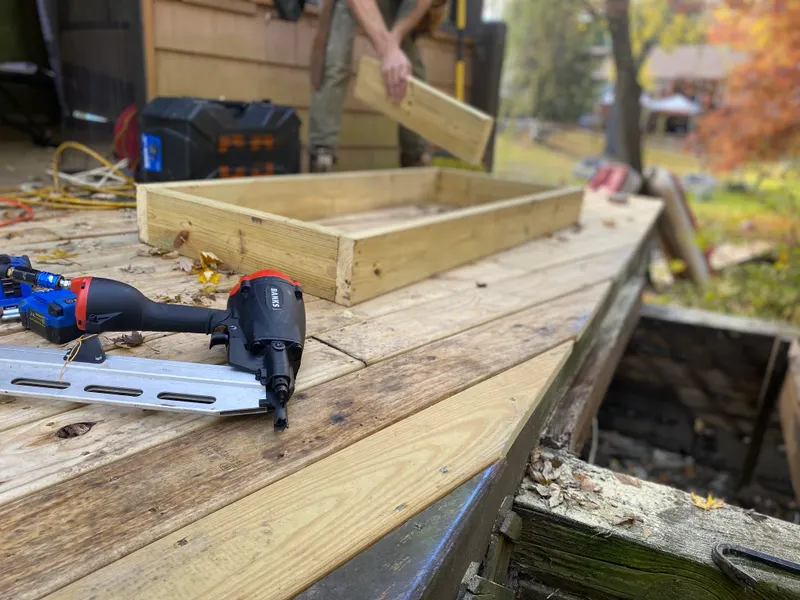
Footings Set Below Millard's 42-Inch Frost Line
Millard sits on the belt of expansive silty clay that runs under most of eastern Nebraska, and that soil is why a footing here can't just go a foot or two down. It swells when wet and shrinks hard when it dries, and a shallow footing will heave and rack the structure through a single freeze-thaw cycle.
Bearing on Stable Ground Per DCA 6
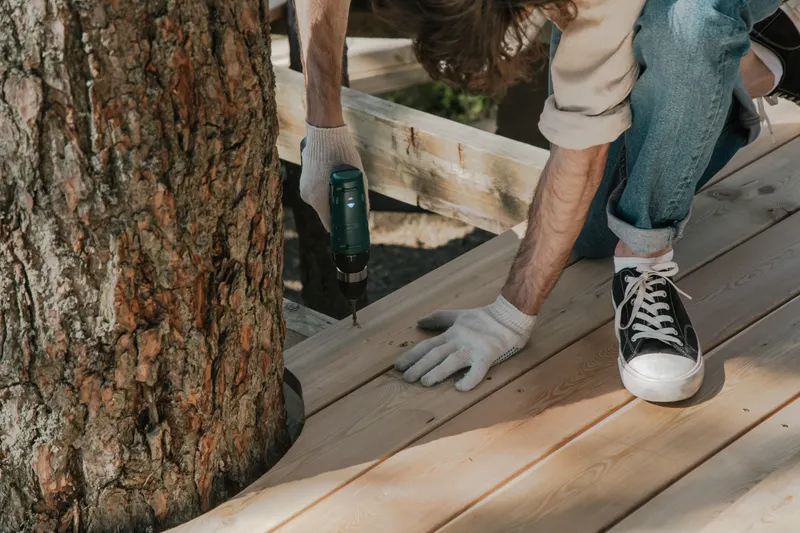
Every footing we pour on a Millard deck goes below the region's 42-inch frost line into stable bearing ground, per the IRC and AWC's DCA 6 guide — the difference between a deck still square in five years and one that isn't.
Permit Coordination Through the City of Omaha Planning Department
Because Millard was annexed in 1971, any attached deck — or one rising more than 30 inches above grade — needs a permit through the City of Omaha Planning Department, backed by a site plan and structural drawings. That threshold catches a lot of Millard decks, since so many sit elevated off a walkout basement.
We pull the permit, provide the drawings, and schedule the inspection as part of the job. If your subdivision runs an HOA architectural review — common on newer edge lots — we build to whatever spec the covenant requires before the city sees the application.

Ledger Flashing & Lateral-Load Connectors on Every Millard Deck
A lot of the original builder-grade decks we tear out in Millard were framed without proper ledger flashing, and roughly 90% of deck collapses nationally happen right at that connection. It's the single detail that matters most and the one most likely to get skipped on a fast subdivision build.
Continuous Flashing Tape & Simpson Connectors
Every deck we frame ties the ledger to the house with continuous flashing tape and Simpson lateral-load connectors, built to IRC and DCA 6 span tables. We check that connection on repair calls too — if a Millard deck feels like it's pulling away from the house, that's usually where it starts.
Local Service
Fast, Local Response Across Millard & West Omaha

Coverage of Every Millard ZIP Near 144th & Center
Our shop sits at 14525 Grover St, Suite 102, inside Millard near 144th & Center, so a Millard job is rarely a special trip — it's the neighborhood we already work every day. We cover every Millard ZIP, 68130 through 68144, from the older streets around Old Millard to the newer construction further west.
A State-Record Growth Spurt, Then Annexation in 1971
Millard's growth explains the steady work: the former town jumped from 1,014 residents in 1960 to 7,460 by 1970 — a 635.7% increase that set a state record — before Omaha annexed it in 1971, and the area now holds over 110,480 people. Decks of every age still stand on the same streets.
Storm & Hail Response for Millard's Applewood and Trendwood Blocks
Millard's established neighborhoods — Applewood, Cimarron, and Trendwood among them — carry decades of mature landscaping, and a hard hail or wind event doesn't just damage roofs; it splits railing balusters and knocks loose an older deck's ledger flashing. We treat storm damage as a same-day make-safe call, not a next-week appointment.
Once the property is secured, full repair or replacement follows — matching the existing footprint where the deck is sound, or rebuilding to code where the storm exposed something that needed fixing. Open 24 Hours means the call after a bad storm gets answered the same night.
Serving Millard and Elkhorn From the Same Shop
Millard and Elkhorn sit on opposite sides of west Omaha along the Dodge corridor and 144th Street, and the same coordinated crews cover both from the Grover Street shop. Elkhorn's stock skews newer construction and first-run walkout decks; Millard skews replacement and tear-off work — different job mix, same footing depth and DCA 6 standard.
That overlap means a Millard homeowner isn't waiting on a specialist. Whichever crew finishes an Elkhorn walkout deck in the morning is often free for a Millard consultation the same afternoon, no trip charge for the drive between them.
Our Work
Recent Deck Projects Near Millard
Composite, wood, and multi-level deck builds finished for Millard homeowners — from tear-off replacements on Old Millard's original lots to elevated walkout builds further west.
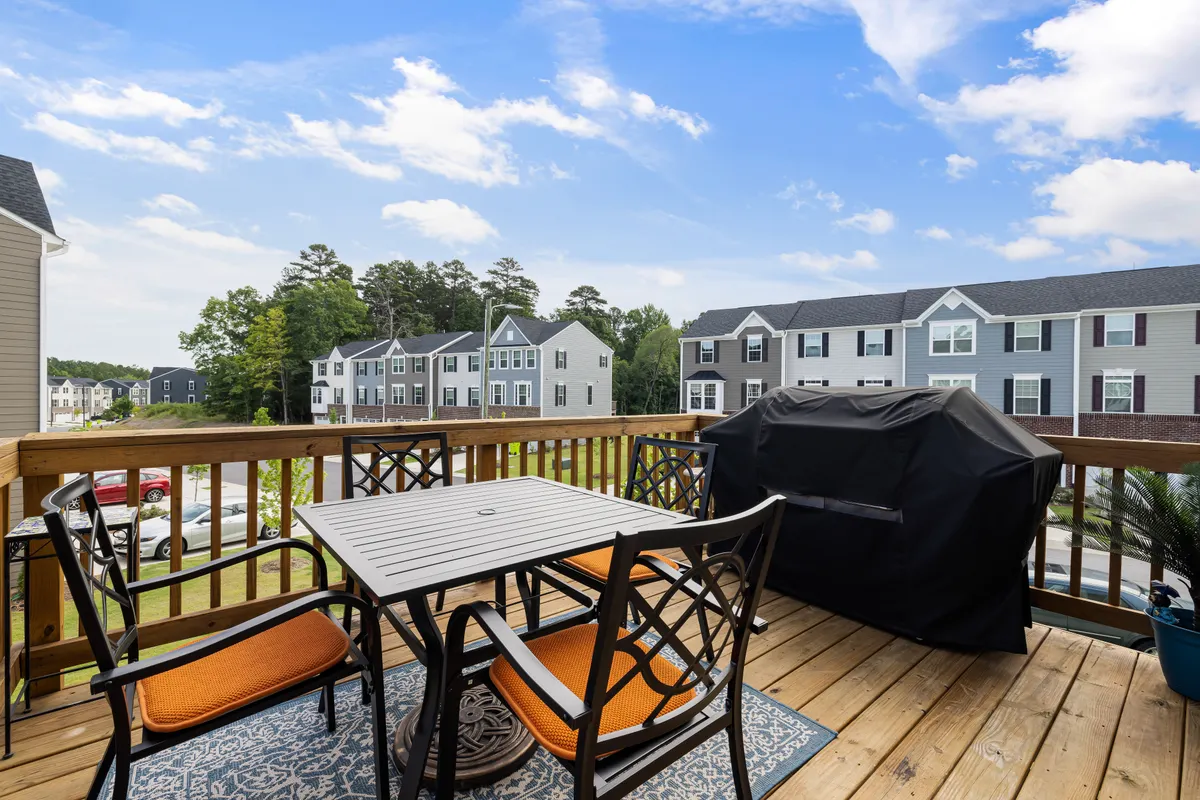

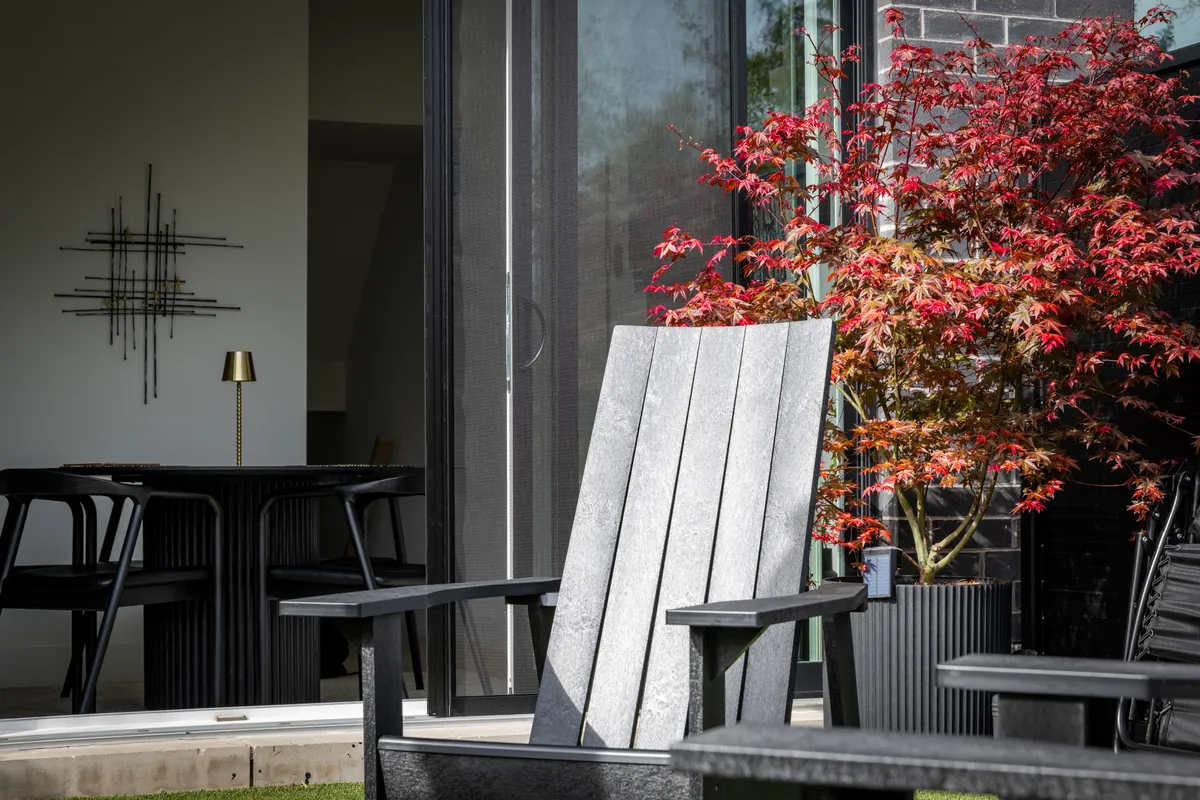
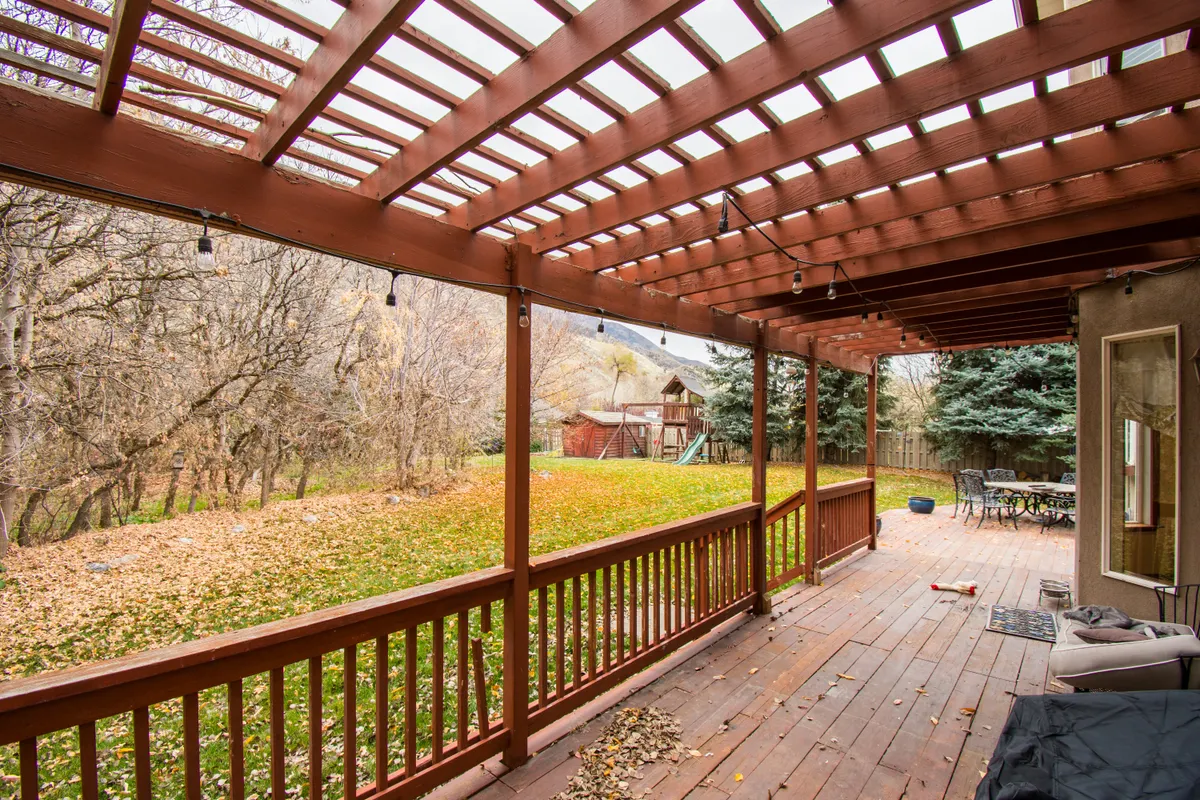
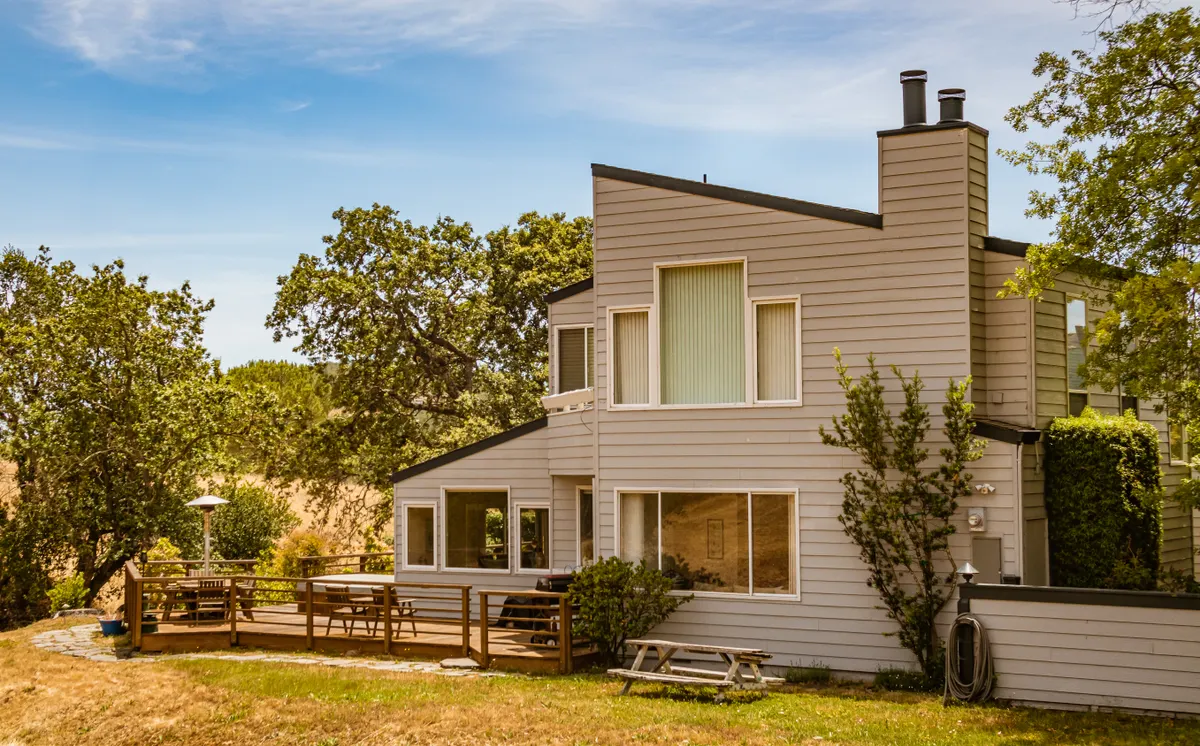

Millard is the neighborhood the Grover Street shop calls home: tear-off replacements on original 1970s-2000s builder decks, elevated walkout builds off the rolling lots further west, and the occasional storm-damage call after hail rolls through Applewood or Trendwood. The full Omaha Deck Builder Co service area covers the whole metro, and the same crews work Elkhorn just across town along the Dodge corridor.
Whether the job is a deck repair on an aging ledger connection, a composite decking conversion for a shaded Old Millard lot, or a custom multi-level deck off a walkout basement, the crews we coordinate build to the IRC and DCA 6 standard, footings below the region's 42-inch frost line. Call (402) 810-7834 any time — Open 24 Hours, dispatch already knows these streets block by block.
Service Area
Serving Millard & Nearby
Frequently Asked Questions
How much does it cost to build a deck in Millard?
A straightforward pressure-treated deck in Millard typically runs $25 to $40 per square foot installed, so a common 320-square-foot deck lands around $8,000 to $13,000 before add-ons. Composite decking, popular with homeowners who don't want an annual sealing chore, runs $35 to $65 per square foot — roughly $13,000 to $21,000 for that footprint. Elevated multi-level builds off a walkout basement, common on Millard's rolling lots, cost more for the added post height and footing depth. We give a fixed, written quote after walking the property, never a phone-only number.
Do I need a permit to build or replace a deck in Millard?
Yes, in most cases. Millard was annexed by the City of Omaha in 1971, so any attached deck, or one rising more than 30 inches above grade, needs a permit through the City of Omaha Planning Department with a site plan and structural drawings on file. A lot of Millard decks sit elevated off a walkout basement, putting them over that line. If your subdivision has an HOA architectural review — common on newer edge lots — that approval typically happens before the city permit is filed. We handle the permit application and inspection scheduling as part of the job.
Why do deck footings need to be so deep in Millard?
Millard sits on a belt of expansive silty clay that swells when it takes on water and shrinks hard when it dries out. A shallow footing in that clay heaves and shifts with the seasons, exactly what racks a deck out of square over a few winters. Code — and the AWC's DCA 6 guide — requires footings to bear below the region's roughly 42-inch frost line, into stable ground that doesn't move with the freeze-thaw cycle. We dig every Millard footing to that depth, since a replacement deck still has to meet current code.
Is composite or wood decking better for a shaded Millard yard?
Millard's older neighborhoods carry mature, established trees, and that shade is easy on the yard but hard on exposed wood — Omaha's climate swings from UV-heavy summers to sub-zero winters, greying, checking, and cupping unsealed wood faster under shade and moisture. Capped composite from Trex, TimberTech, or Fiberon skips the yearly sanding-and-staining cycle and typically holds up 25 to 30 years, versus 10 to 15 for pressure-treated pine. Cedar and pressure-treated wood cost less upfront, and plenty of owners still choose it. Either way, we build to the same footing depth and ledger-flashing standard.
How long does it take to build a deck in Millard?
A straightforward ground-level deck with good site access typically takes a few days to a week, start to finish. An elevated or multi-level deck off a Millard walkout basement — the more common job here — usually runs one to two weeks, since it involves deeper footings, taller posts, and a stair run down to the patio. Permit approval adds several days to a few weeks on top, and we start that paperwork the same week we finalize the design. Weather and HOA review, where one applies, can shift the schedule further.
Do you handle storm and hail damage to decks in Millard?
Yes — we're Open 24 Hours, and a hard hail or wind event across Millard's established neighborhoods, like Applewood and Trendwood, doesn't just damage a roof; it splits railing balusters, knocks decking boards loose, and can pull ledger flashing away from the house. We treat storm damage as a same-day make-safe call rather than a next-week appointment, especially where a broken railing creates a fall hazard. Once the property is secured, full repair or replacement follows on the schedule that fits the damage. Call (402) 810-7834 any time, day or night.
Why does a Millard deck footing have to go 42 inches down?
Because that is where the ground stops freezing. Eastern Nebraska's code frost line is 42 inches, and a footing bearing above it sits in soil that expands as it freezes and lifts the post with it — then drops it again in the thaw, racking the frame out of square a little more each winter. Millard's expansive clay compounds it, swelling and shrinking through every wet-dry cycle on top of the freeze movement. So every footing bears below 42 inches on undisturbed soil, alongside continuous ledger flashing and lateral-load connectors at the house connection — the detail behind roughly 90% of deck failures when it's missing. We coordinate crews rather than run a single in-house team, matching Millard's mix of replacement and new elevated work.
What's the most common deck problem you see in Millard?
By far the most common call is an original builder-grade deck reaching the end of its life — Millard's subdivision boom from the 1970s through the 2000s put a pressure-treated deck on nearly every ranch and two-story home, and thirty-plus years of weather has caught up with a lot of them. Sagging boards, popped fasteners, and a ledger pulling away from the house are the usual signs. We inspect the framing and footings before quoting a repair, because a deck that looks fine on the surface can still have a compromised ledger underneath — the connection point responsible for most structural failures.
Do Millard subdivisions have HOA rules for decks?
Many do, especially the newer subdivisions on Millard's western edge, which frequently carry HOA architectural-review covenants governing deck materials, color, and railing style before construction starts — a separate approval from the City permit. Older sections like Old Millard, built before HOA governance was standard, generally don't carry this extra layer. We ask about HOA status during the initial quote, since a covenant requiring a specific composite color or railing profile changes the material selection before we file for the city permit. Skipping this step is one of the more common causes of a delayed project.
Can you build a deck off a walkout basement in Millard?
Yes — walkout and daylight basements are common across Millard's rolling lots, and an elevated or multi-level deck off the main floor with stairs down to the patio is one of the most frequent job types we build here. These structures typically cross the 30-inch-above-grade threshold that triggers a permit and mandatory guardrail, so the framing accounts for taller posts, deeper footings, and a proper stair-stringer layout. We frame these as genuine multi-level structures — lateral-load connectors at the ledger, correct joist spans for the added height — not a standard deck with stairs bolted on. It's a bigger build than a ground-level deck, priced accordingly from the first walkthrough.
Get a Fixed-Price Deck Quote for Your Millard Property
IRC & DCA 6 built, 42-inch footings, Open 24 Hours.
(402) 810-7834