
Deck Builder · Omaha, NE
Deck Builder in Papillion, NE
Papillion takes its name from the French word for butterfly, after the creek that winds through town, and that same Papillion Creek watershed shapes how a deck gets built here. At Omaha Deck Builder Co, we handle new construction, repair, and composite conversions across Sarpy County, and footings here are planned around the creek watershed. Parts of town sit in a mapped floodplain, and a 1964 flood produced a 100-year discharge event at the creek mouth — a real factor in how footings and grading get planned.
Papillion has grown fast — from 18,894 residents in the 2010 census to 24,159 by 2020, a 27.9% jump in a decade, spread across 9,003 households with a median income near $90,000. That growth means two very different job types: first-run elevated decks on new walkout-basement lots in subdivisions like Shadow Lake, and replacement work on the mid-century homes near the older downtown core. We build both, residential and occasional small commercial, to the same footing and ledger standard regardless of which side of town.
Downtown Papillion, around Washington and Lincoln Streets, still holds some of the town's original housing stock, and every June, Papillion Days brings the community out a few blocks from where those older decks stand. We walk every Papillion property before quoting — floodplain lots especially need an honest look at grading before a number goes on paper. Call (402) 810-7834 anytime; Open 24 Hours, and we already know these streets.
Local Service
New & Replacement Deck Building Across Papillion's Growing Neighborhoods
Papillion's population grew 27.9% in a single decade, and that growth splits the work here almost evenly: first-run decks on brand-new subdivision lots, and replacement builds on the town's older mid-century homes.
First-Run Elevated Decks for Shadow Lake & Eagle Ridge
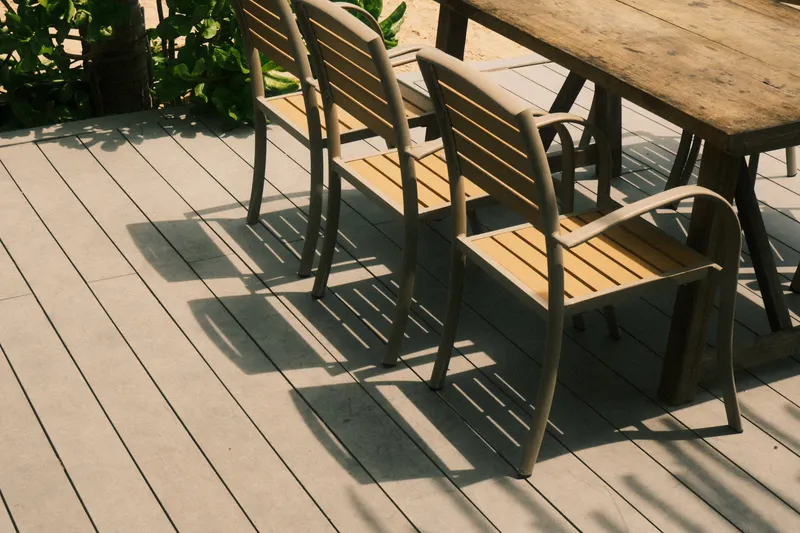
Papillion's 2010-2020 growth — up 27.9% to 24,159 residents — built out master-planned subdivisions like Shadow Lake on rolling Sarpy County ground, where walkout and daylight-basement lots are the standard. That means much of the new work here is a first-run elevated or multi-level deck off the main floor, built new alongside the house rather than added years later.
Coordinating With the Home's Grading Plan From Day One
We frame these to the same DCA 6 span tables and footing depth as any other Papillion deck, but a first-run build lets us coordinate with the home's actual grading plan from day one — fewer surprises at the ledger, cleaner drainage away from the foundation.
Replacing Original Decks Near Downtown Papillion
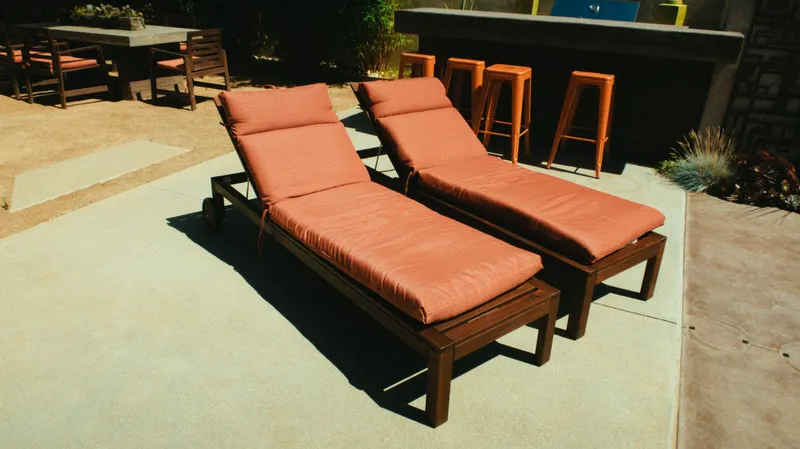
The blocks around Washington and Lincoln Streets in downtown Papillion carry the town's older housing stock, mid-century homes whose original decks are now well past their service life. These jobs are almost always a full tear-off: old boards and joists off, footings checked against current code, and a rebuild in whatever material fits the house and the owner's maintenance appetite.
Composite comes up often on these jobs, since a homeowner who's already replaced one deck usually doesn't want to repeat the sanding-and-staining cycle. We haul off the old structure as part of the job, not as an add-on.

Deck Building for the Midlands & Eagle Ridge Growth Areas
Midlands and Eagle Ridge are two of the newer growth pockets that came with Papillion's expansion, and the deck work in both areas skews toward new-construction builds rather than replacements — younger homes, younger decks, but often still needing that first deck finished after the builder handed off a bare walkout slab.
We quote these the same way we quote anywhere else in Papillion: a full site walk, a written material breakdown, and a footing plan that accounts for the lot's actual grade. Sarpy County's rolling terrain means no two lots in these subdivisions are quite identical.
Local Service
Floodplain-Aware Footings & Drainage Near West Papillion Creek
Papillion sits in the Papillion Creek watershed, and parts of town fall inside a mapped FEMA floodplain — a real consideration for footing depth, grading, and drainage that most decks elsewhere in the metro don't have to plan around.

Grading & Drainage on Papillion's Low, Creek-Bottom Lots
The low ground on Papillion's flanks near the creek holds water and keeps the local water table higher than on the rolling lots further out in Sarpy County, making footing drainage and finish grade a bigger factor here than on a typical west-metro build. A footing fine on high ground can sit in standing water after a wet spring on one of these lower lots.
Grading Every Footing to Shed Water Away From the Post
We grade every footing excavation to shed water away from the post and slope the finished deck surface to drain, rather than assuming the standard plan works everywhere in town. On the lowest lots, that sometimes means adjusting footing placement before framing starts.

Building Within Papillion's Mapped Floodplain (FEMA AE Zones)
A stretch of Papillion sits inside the mapped West Papillion Creek floodplain, in FEMA AE zones, and a 1964 flood produced a 100-year discharge event at the creek mouth — the kind of history that's why the designation exists. A deck on one of these lots can trigger floodplain review alongside the standard building permit.
Flagging Floodplain Exposure Before Design Starts
We flag floodplain exposure during the initial site visit, before design work starts, since it affects grading, footing placement, and sometimes deck height. It's not a reason to avoid building — it's a reason to build with the actual creek elevation in mind.

Frost-Line Footings on Papillion's Expansive Clay
Papillion sits on the same eastern-Nebraska expansive clay that runs under the rest of the metro, clay that swells when wet and shrinks hard when dry — but combined with the higher water table near the creek, that cycle has more moisture to work with here than on higher ground elsewhere. Footings still have to clear the region's roughly 42-inch frost line into stable bearing soil.
On a Papillion job, we dig to that depth and confirm the excavation isn't hitting groundwater before pouring, since a footing hole that fills with water changes the pour — an extra check most decks in drier parts of the metro don't need.
Local Service
Serving Papillion & Sarpy County Fast
Coverage of Every Papillion ZIP, 68046, 68133 & 68157
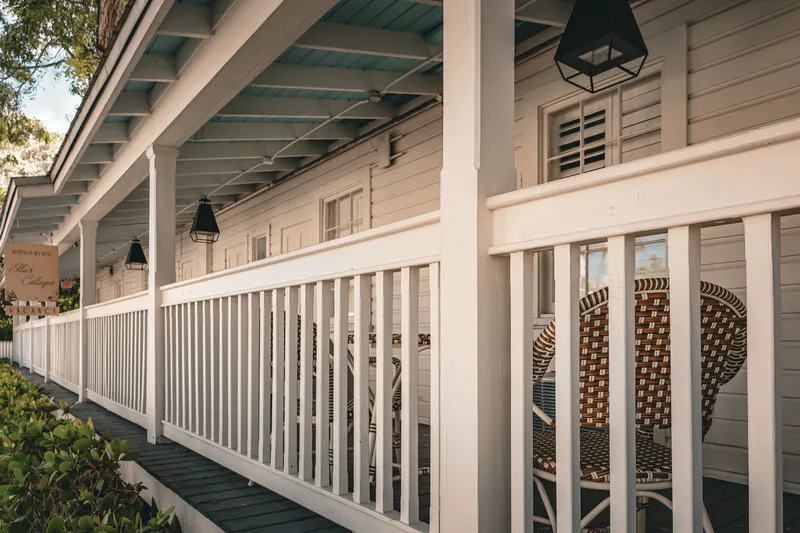
We cover all of Papillion's ZIP codes — 68046, 68133, and 68157 — with the same fixed-quote process whether the job's near downtown, out toward Shadow Lake, or along NE-370 and 84th Street. The shop sits about 8 to 9 miles north, close enough that a Papillion job is a routine stop, not a special trip.
Familiar With Sarpy County's Separate Permitting Process
That familiarity with Sarpy County's permitting process — separate from the City of Omaha process that covers Millard and Elkhorn — means we're not learning the paperwork on a homeowner's schedule.
Papillion Days & Seasonal Deck Scheduling
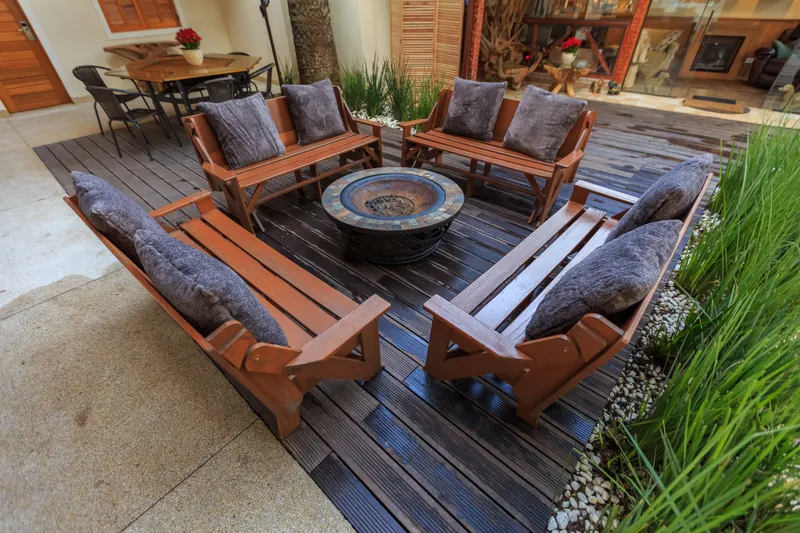
Papillion Days brings the community out downtown every June, and it's also roughly when deck season hits its busiest stretch — homeowners wanting a new deck or finished repair before backyard gatherings start. We book Papillion jobs earlier in spring to beat that seasonal crunch, since permit review through the City of Papillion takes real time regardless of how badly a homeowner wants the deck done by summer.
Storm and repair calls still get same-day response year-round; it's new-build scheduling that benefits from planning ahead of the season's peak.
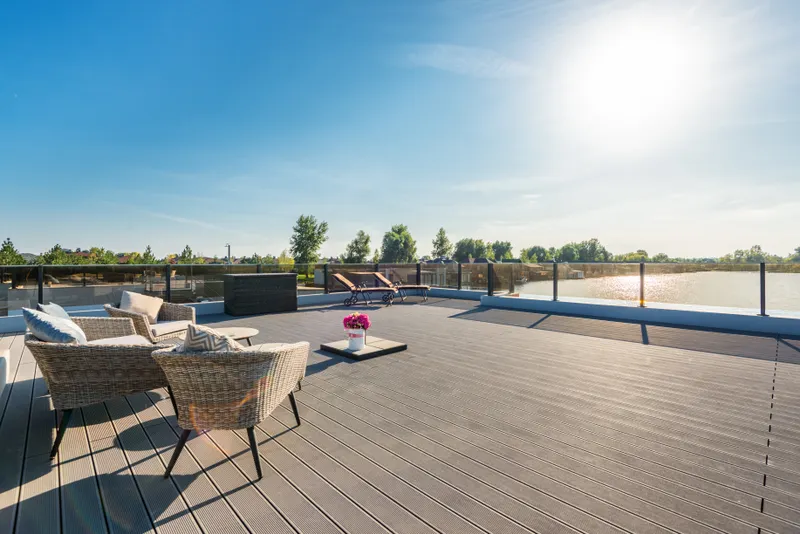
Serving Papillion and Millard From the Same Shop
Papillion sits about 8 to 9 miles south of the Grover Street shop, and Millard sits inside Omaha city limits a similar distance northwest — different counties, different building departments, but the same coordinated crews cover both in a normal week. Millard's work skews toward replacing 1970s-2000s builder decks; Papillion's splits between new subdivision builds and floodplain-aware replacements near the creek.
That range means whichever crew wraps up a Millard walkout deck in the morning is often free for a Papillion estimate that afternoon, without a special trip fee tacked onto either job.
Our Work
Recent Deck Projects Near Papillion
New builds, composite conversions, and floodplain-aware replacements finished for homeowners across Papillion and the surrounding Sarpy County subdivisions.
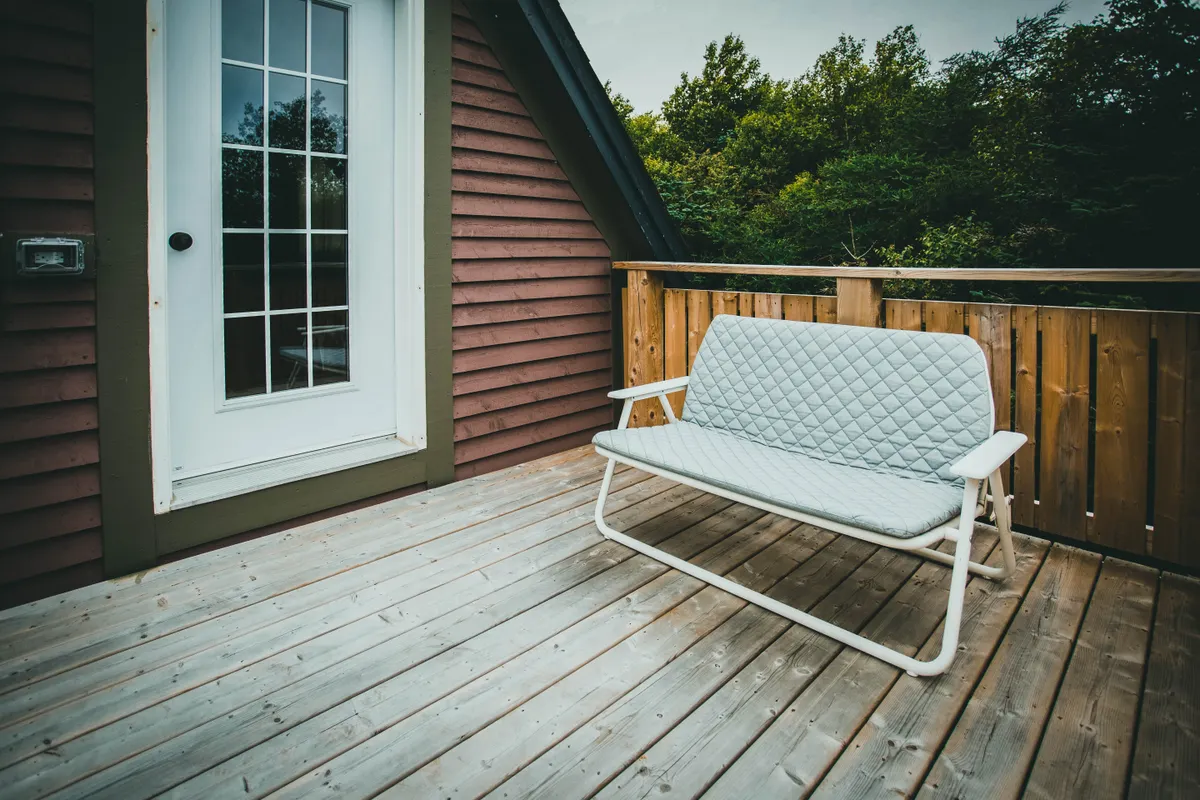
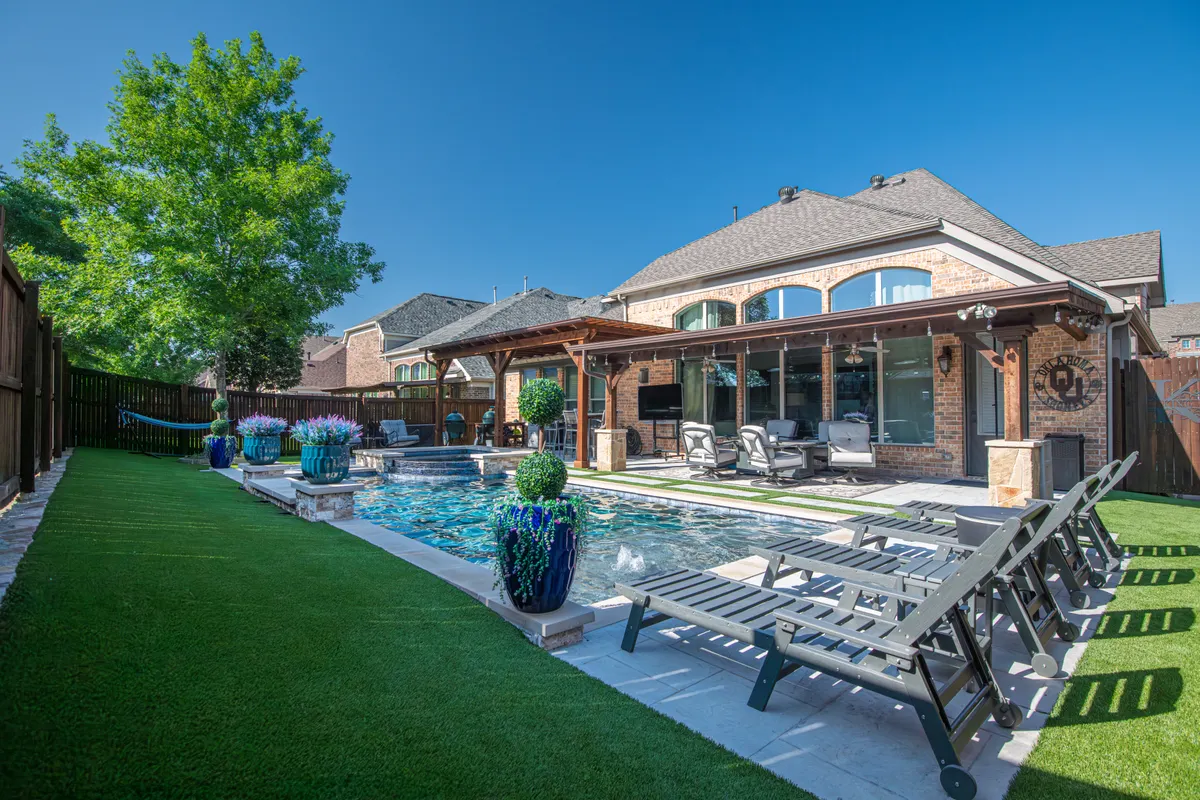
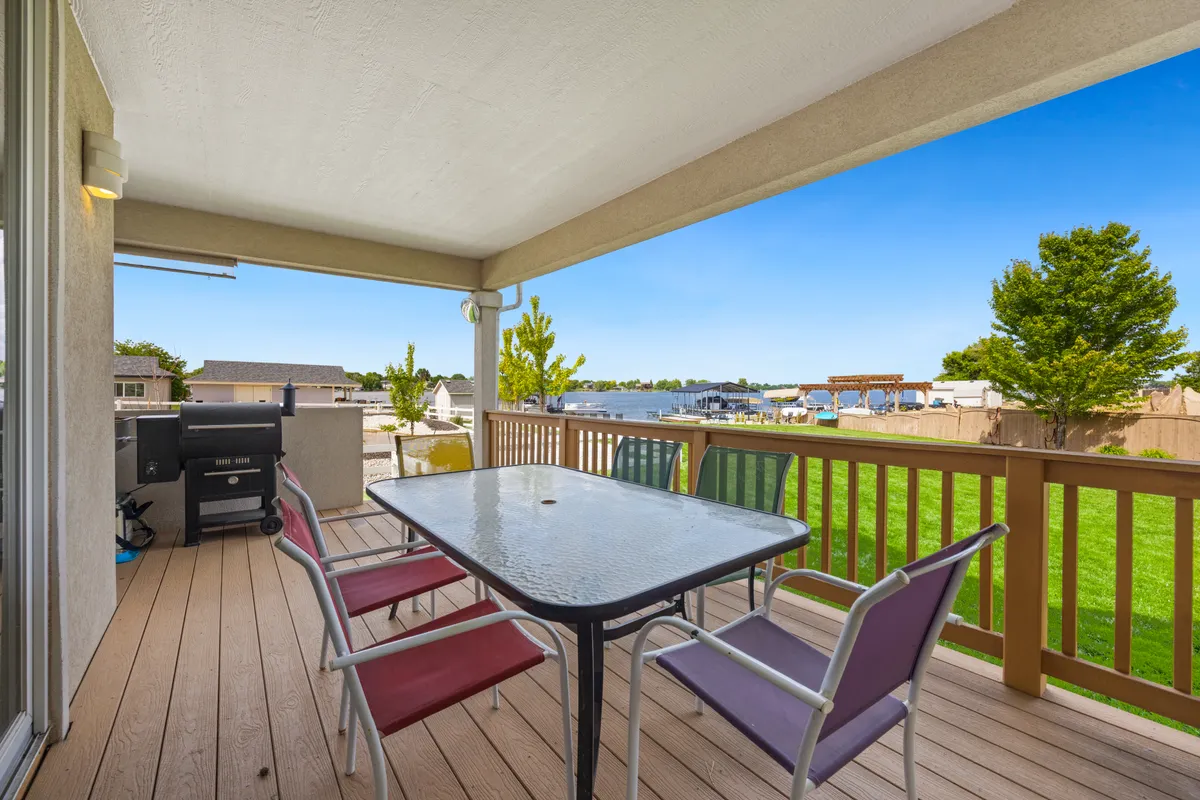
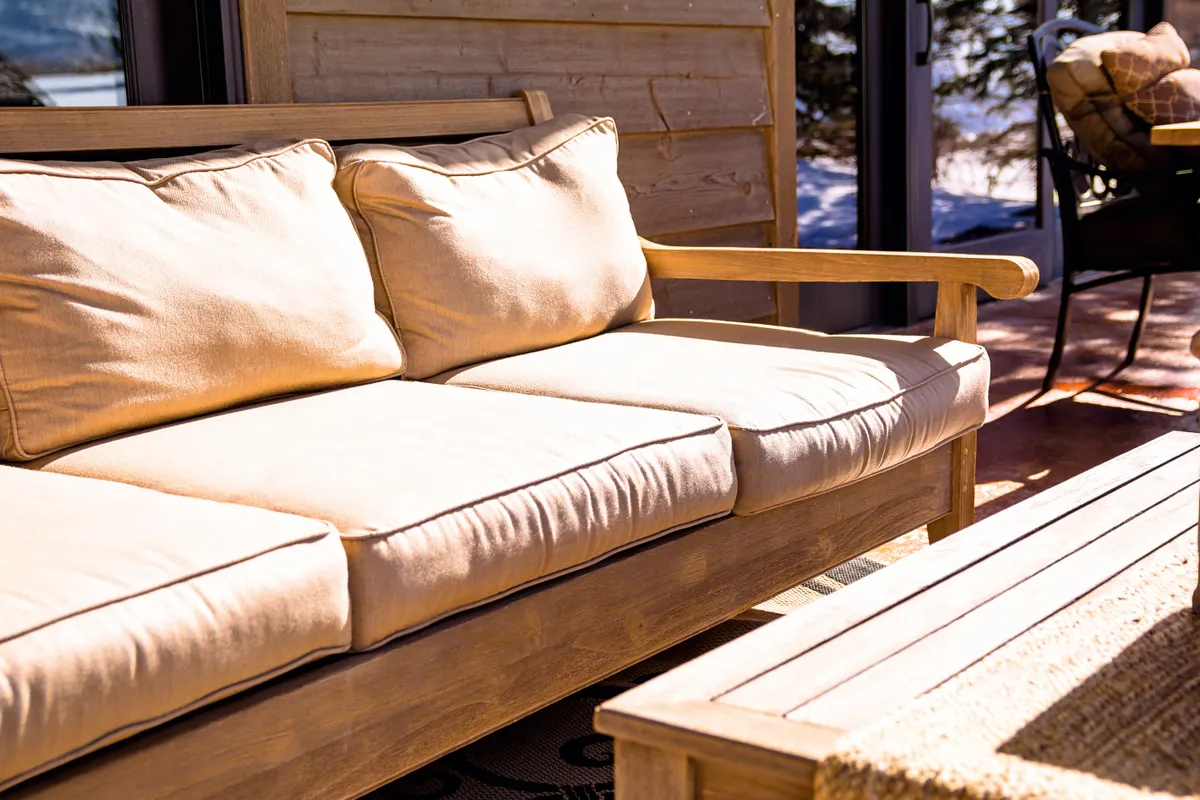
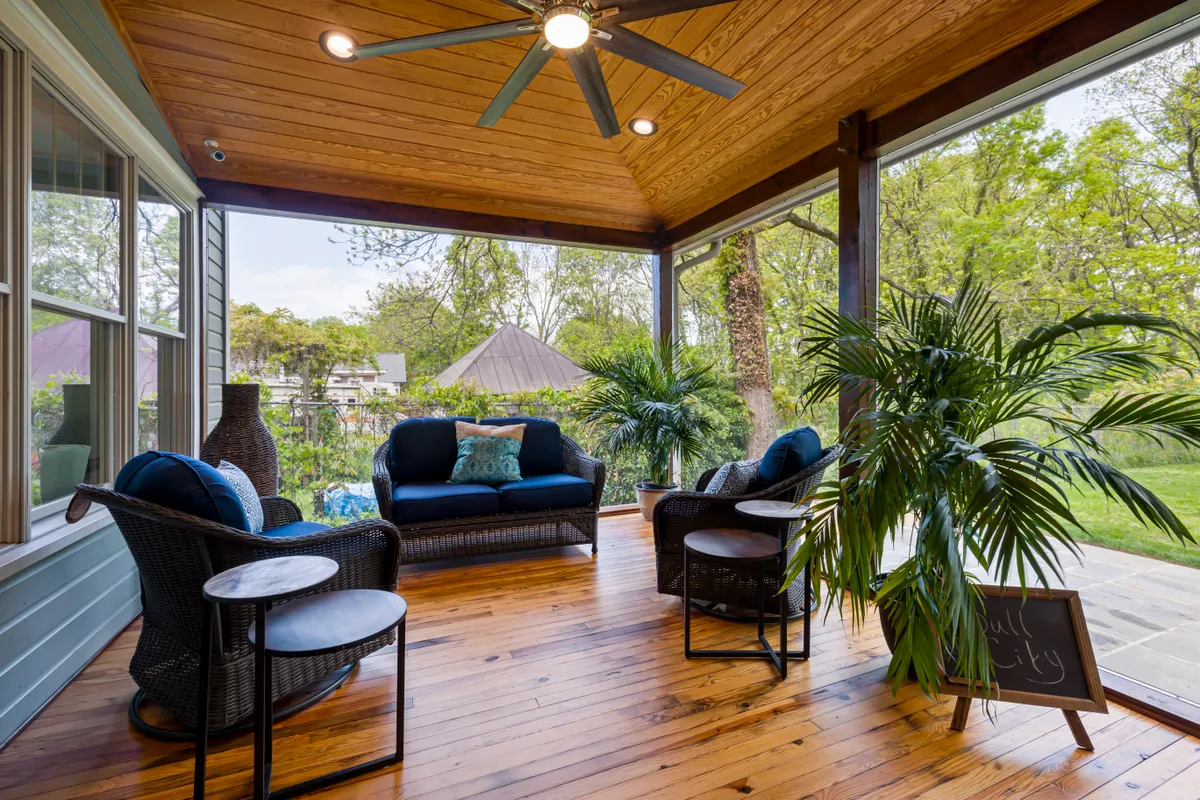

Papillion's mix of brand-new subdivision growth and a real floodplain along West Papillion Creek makes it one of the more site-specific builds on our route — footings here answer to both the region's 42-inch frost line and the creek's actual water table. The full Omaha Deck Builder Co coverage area extends north to Millard and the Grover Street shop, and the same crews work Sarpy County daily.
Whether a Papillion property needs a first-run deck building project finished on a new Shadow Lake lot, a composite decking replacement near the older downtown core, or a deck repair after storm damage pulls a railing loose, the crews we coordinate build every job to the IRC and DCA 6 standard. Call (402) 810-7834 any time — Open 24 Hours, dispatch already knows Papillion's neighborhoods and its floodplain lines.
Service Area
Serving Papillion & Nearby
Frequently Asked Questions
How much does it cost to build a deck in Papillion?
A standard pressure-treated deck in Papillion runs about $25 to $40 per square foot installed, putting a typical 320-square-foot deck around $8,000 to $13,000 before extras. Composite, which a lot of Papillion homeowners choose for new builds in subdivisions like Shadow Lake, runs $35 to $65 per square foot — roughly $13,000 to $21,000 for that size. Jobs on floodplain-adjacent lots near the creek sometimes carry slightly higher footing costs, since drainage and grading get more attention on lower ground. Every Papillion quote is written after an on-site walk, floodplain status included.
Do I need a permit to build a deck in Papillion?
Yes — Papillion is its own Sarpy County city with its own building department, separate from the City of Omaha process that covers Millard and Elkhorn, and a permit is required for any deck over 30 inches above grade or attached to the house. The Sarpy County Building Department, which handles this, is located at 1210 Golden Gate Drive. If your lot falls inside the mapped West Papillion Creek floodplain, the permit process can also involve a floodplain review. We pull the permit and handle the inspection scheduling as part of the job either way.
Does Papillion's floodplain affect deck construction?
It can, on lots near West Papillion Creek that fall inside the mapped FEMA AE floodplain zones — a 1964 flood produced a 100-year discharge event at the creek mouth, part of why that designation exists. A deck built on one of these lots may need floodplain review in addition to the standard building permit, and grading and footing placement get planned around the creek's actual elevation. Most Papillion lots aren't affected, but we check floodplain status on every quote regardless of address. It's a five-minute lookup that prevents a costly surprise mid-project.
How deep do deck footings need to be in Papillion?
Footings in Papillion need to bear below the region's roughly 42-inch frost line, the same standard across eastern Nebraska, into stable soil that won't shift with the seasonal freeze-thaw cycle. Papillion's expansive clay combined with a higher water table near the creek means we also check that a footing excavation isn't hitting groundwater before pouring — a step that matters more here than on drier lots elsewhere. Skipping either the depth or the groundwater check is how a deck ends up heaving or settling unevenly within a few winters. We dig every Papillion footing to spec regardless of what the old one looked like.
How long does it take to build a deck in Papillion?
A straightforward ground-level deck with decent access generally takes a few days to a week to build. A first-run elevated deck on a new Shadow Lake or Eagle Ridge walkout lot usually runs one to two weeks, since it's framed with taller posts and deeper footings from the start. Permit approval through the City of Papillion adds several days to a few weeks on top, longer if the lot requires floodplain review. We start the permit paperwork as soon as the design is final so it isn't the bottleneck.
Should I choose composite or wood decking in Papillion?
Both hold up fine in Papillion when built to the same footing and ledger standard, but the choice usually comes down to maintenance appetite and lot type. Composite from Trex, TimberTech, or Fiberon typically lasts 25 to 30 years and skips annual staining — a common choice on newer Shadow Lake and Midlands builds where homeowners want a low-maintenance finish from day one. Pressure-treated pine and cedar cost less upfront and remain popular on downtown Papillion's older replacement jobs, running 10 to 20 years depending on maintenance. Either material gets the same 42-inch frost-line footing and continuous ledger flashing regardless of which one you pick.
Do you repair storm-damaged decks in Papillion?
Yes — we're Open 24 Hours, and storm damage to a Papillion deck usually shows up as split railing balusters, lifted decking boards, or ledger flashing pulled loose from the house after high wind or hail. We treat storm damage as a same-day make-safe call, especially where a broken railing creates a fall hazard on an elevated walkout deck. Once the property is secured, full repair follows on whatever timeline the damage requires — sometimes the same visit, sometimes a scheduled return once materials are on hand. Call (402) 810-7834 any time, day or night.
How does the Papillion Creek floodplain change how a deck is built?
Mostly it changes the footings and the grading around them. Parts of Papillion sit in the mapped Papillion Creek floodplain, where a saturated subgrade holds water against a post far longer than it would elsewhere in the metro, so footing depth, drainage away from the piers and post-base hardware that keeps wood off concrete all matter more here. Everything else follows the IRC and AWC's DCA 6 deck guide the same as a new Shadow Lake walkout build — footings below the 42-inch frost line, continuous ledger flashing, and Simpson lateral-load connectors at the house connection, the detail behind roughly 90% of deck collapses when it's missing or done wrong. We coordinate crews rather than run one in-house team, so Papillion's mix of jobs each get matched with the right expertise.
What's different about building a deck in Papillion versus the rest of Omaha?
The biggest difference is jurisdiction and water. Papillion is its own Sarpy County city with its own building department and permit process, distinct from the City of Omaha rules that cover Millard and Elkhorn, so the paperwork and inspection contacts differ even though the underlying deck code is the same IRC standard. Add in Papillion's location inside the Papillion Creek watershed, with some lots falling into a mapped FEMA floodplain, and grading and drainage get more attention here than on higher ground elsewhere. The construction standard — frost-line footings, DCA 6 framing, ledger flashing — doesn't change; the site planning and permit contact do.
Can you build a deck on a new-construction lot in Papillion's growing subdivisions?
Yes — Papillion's population grew 27.9% between 2010 and 2020, and much of that growth is master-planned subdivisions like Shadow Lake and the Midlands and Eagle Ridge growth areas, often built on rolling, walkout-basement lots. We regularly build the first deck on a brand-new home in these areas, working from the home's actual grading plan rather than a generic template, since Sarpy County's rolling terrain means no two lots sit quite the same. These first-run builds usually go faster than a replacement job, since there's no old structure to tear out first — but they still get the same 42-inch footings and DCA 6 framing standard as every other Papillion deck.
Get a Fixed-Price Deck Quote for Your Papillion Property
Floodplain-aware footings, written quotes, Open 24 Hours.
(402) 810-7834