Deck Builder · Omaha, NE
Deck Repair & Restoration in Omaha, NE
Omaha Deck Builder Co coordinates deck repair and restoration across Omaha, Millard, Elkhorn, Papillion, La Vista, and the wider Sarpy and Douglas County metro — calls answered 24 hours a day, because a loose railing or a ledger showing daylight can't wait for office hours. Whether it's a wobbly railing on a Papillion porch deck or a fully rotted ledger board on a decades-old Millard build, the crews coordinated here handle repair as a full diagnostic job: structural inspection, code correction, and a written scope before any board comes off.
Repair calls cluster around a handful of predictable failure points, and Papillion's ground makes one of them worse than elsewhere in the metro. Papillion sits low in the Papillion Creek watershed, where a high water table and, on creek-adjacent lots, mapped FEMA floodplain zones keep soil moisture higher against ledger boards and footings than on the higher west-Omaha ground — exactly the moisture exposure that rots a ledger connection from behind before it's visible from the deck surface. Add in eastern Nebraska's expansive clay working footings loose over freeze-thaw cycles, and rot, movement, and popped fasteners are the norm on any deck past 15 to 20 years old.
This page covers repairing and restoring an existing deck — rot, structural movement, railings, and fasteners. If the deck needs to come down and be rebuilt from scratch instead, that's new deck construction; converting to low-maintenance composite during a repair is covered on composite decking installation.
A repair job starts with a structural inspection of the ledger, joists, and posts, then a written scope covering exactly what's replaced versus what's sound. Most single-issue repairs — a section of decking, a railing run, a fastener pass — finish in a few hours to two days; full ledger and joist rebuilds take longer.
What We Do
Our Deck Repair Services in Omaha
Rot at the ledger, a wobbly railing, and a deck that no longer meets current code each call for a different repair scope — here's how the coordinated crews approach each one.
Rotted Board, Joist & Ledger Repair
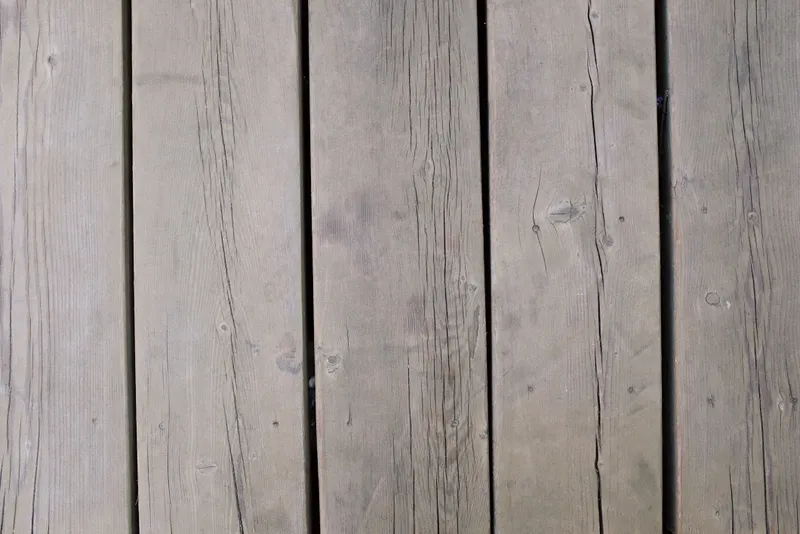
Rot shows up first in decking boards and joists that sit closest to grade or against the house, and the ledger board — where the deck bolts to the home — is the single most common failure point, involved in roughly 90% of deck collapses nationally according to NADRA. We replace rotted boards and joists to match existing spacing, and any ledger repair gets full flashing tape and lateral-load connectors per AWC DCA 6, not just a re-bolt of the original connection.
Repair costs typically run $10 to $50 per square foot depending on how much structural framing is involved versus surface boards alone.
Wobbly Railing & Popped-Fastener Repair
A railing that flexes when leaned on is almost always a loose post connection or undersized fasteners rather than a problem with the railing material itself, and it's one of the leading causes of the roughly 6,000-plus annual deck, porch, and railing injuries tracked nationally. Popped nails and backed-out screws create a similar hazard on the decking surface — a trip and puncture risk that's a same-visit fix once identified.
Both repairs are quick relative to structural work, typically resolved same-day once the crew is on site.
Structural Reinforcement, Code Correction & Storm Damage
Older decks frequently predate current guardrail-height and baluster-spacing rules, or were built without the lateral-load connectors current code requires at the ledger — we bring both up to current IRC and DCA 6 standards during a repair rather than just patching the visible damage. Storm and water damage repair follows the same structural-first approach: assess what the wind or saturation actually compromised before replacing boards cosmetically.
Full structural reinforcement projects typically fall toward the higher end of the $570 to $2,600 average repair range.
The Benefits
Why Deck Repair Isn't Optional Once It Starts
A deck problem left alone doesn't stay the same size — it gets more expensive and more dangerous the longer it sits.
The Ledger Is Where Collapses Happen
NADRA estimates roughly 90% of deck collapses occur at the ledger — the connection between the deck and the house — rather than in the deck framing itself, which is why a proper repair always inspects that joint even when the visible complaint is somewhere else on the deck. A ledger that looks fine from the yard can still be pulling away behind the siding if it was never flashed correctly the first time.
Millions of Decks Are Past Their Useful Life
NADRA estimates there are more than 60 million decks in the U.S., and roughly 30 million of them are past their useful life and due for repair or replacement — a national backlog that shows up locally in Millard and Ralston's stock of original 1970s-2000s builder-grade decks. About 90% of reported deck collapses involve decks that are 20 to 30 years old, which lines up closely with when the original deck on an older subdivision home starts showing real structural issues.
Repair Now Costs Less Than an Injury Later
An estimated 6,000-plus people are injured annually in the U.S. from deck, porch, railing, or staircase structural failures, and a typical repair project totals $570 to $2,600 — a fraction of the cost, disruption, and liability of a full collapse or fall. Catching a soft ledger, a leaning post, or a loose railing during a routine inspection is consistently cheaper than waiting for it to fail during a backyard gathering.
Our Work
Recent Deck Repairs Across the Omaha Metro
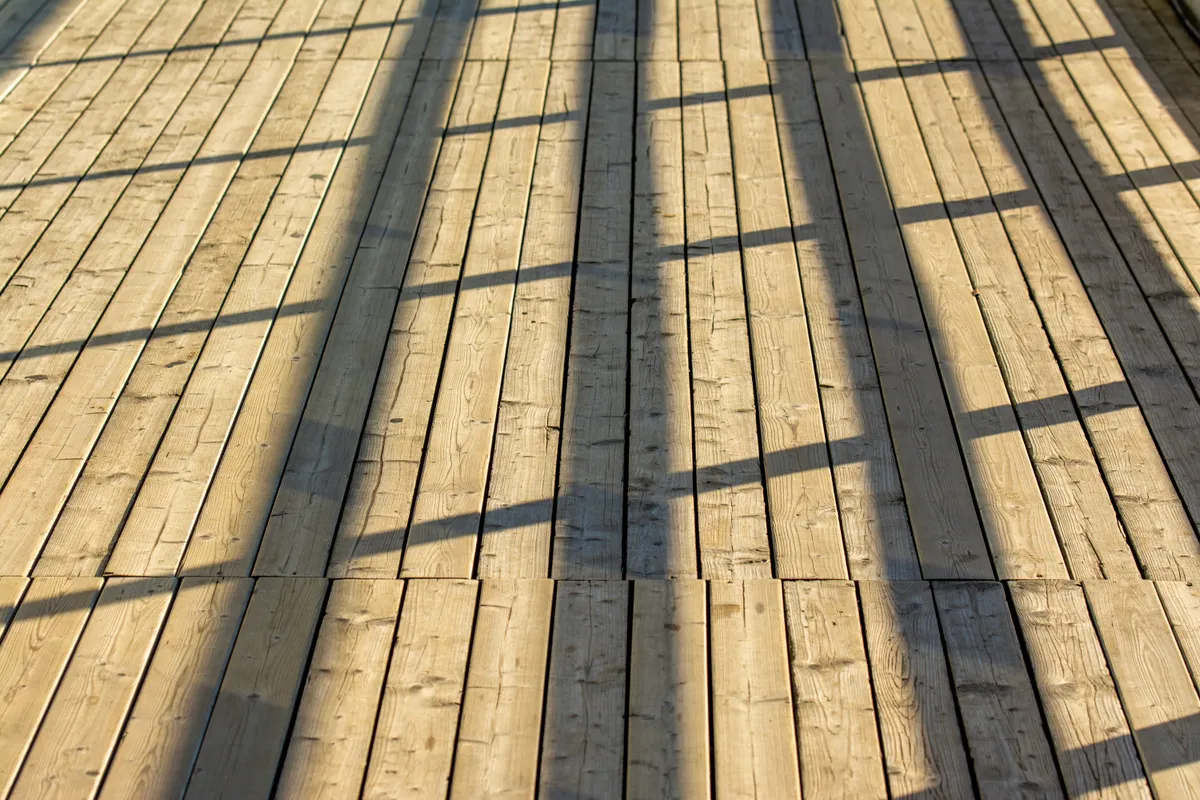
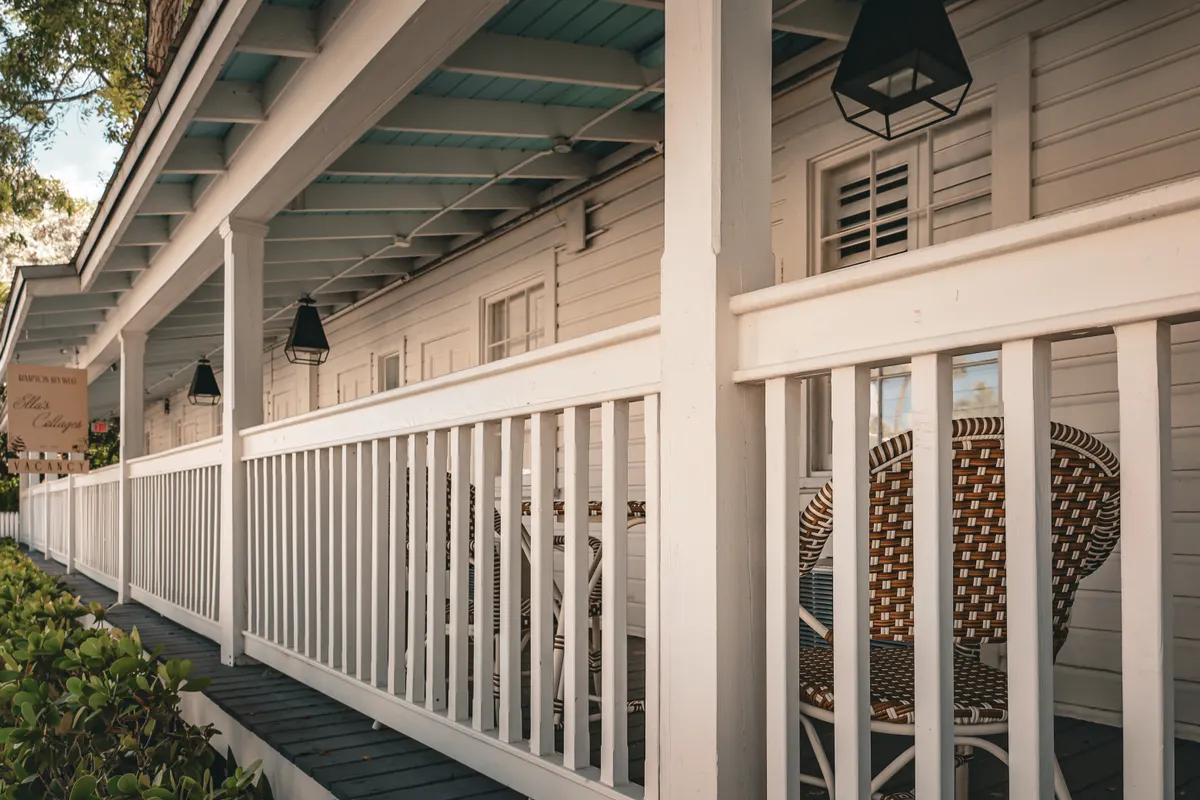
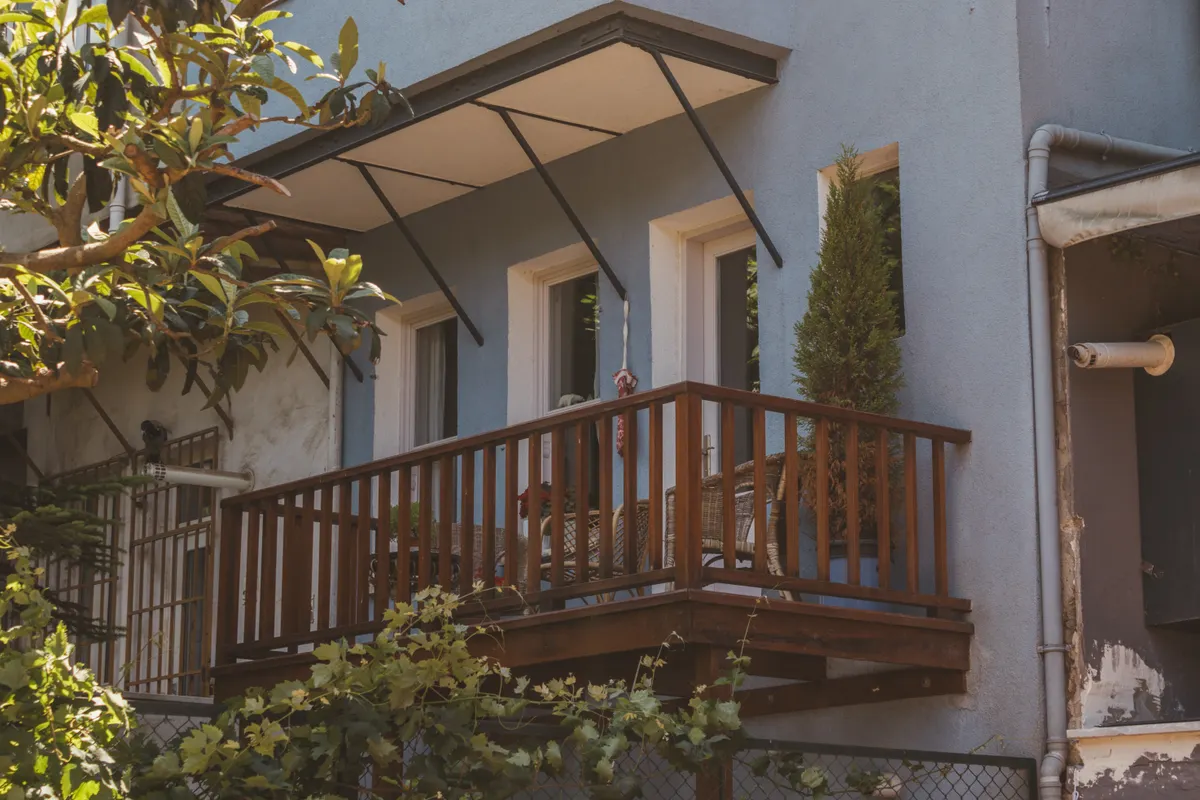
A sample of structural and cosmetic deck repairs coordinated across the metro.

Why Us
Why Omaha Trusts Us With Deck Repair
Repair rewards a crew that inspects the whole structure, not just the board that's visibly broken.
NADRA-Trained Inspection, Not Guesswork
We evaluate every repair against the NADRA deck inspection checklist, checking the ledger, joists, posts, and railing connections systematically rather than just patching whatever's visibly broken. That inspection-first approach is how a hidden ledger problem gets caught before it becomes the deck's next collapse statistic.
Structural Hardware Installed to Spec
Reinforcement work uses Simpson Strong-Tie lateral-load connectors and structural hardware installed to the manufacturer's own specification, the same hardware standard used in new construction — a repair isn't a lesser-grade fix here, it's the same code-compliant hardware a new build gets.
Scope Changes Priced in Writing, Not on the Invoice
Repair scope changes more often than any other deck service, because the real condition of the joists and ledger is hidden until decking comes up. We price the opened-up scope in writing before continuing rather than letting it appear on the final invoice, and we photograph what we find so you are looking at the same evidence we are.
If the structural inspection turns up more than a deck built decades ago can reasonably support, new deck construction covers full rebuilds start to finish, and converting to low-maintenance composite during a repair or replacement is covered on composite decking installation. Papillion's high water table and creek-adjacent floodplain lots are a good example of the ledger-moisture repair work this page describes — see deck builder in Papillion, NE for what that looks like locally. For the complete list of what's coordinated across the Omaha metro, see our services — the same Omaha deck builder crew network behind every repair here.
Frequently Asked Questions
How much does deck repair cost in Omaha?
Deck repair typically runs $10 to $50 per square foot depending on scope, and a full repair project averages $570 to $2,600 nationally, with the low end covering board or fastener replacement and the high end covering ledger rebuilds or structural reinforcement. A single popped-fastener pass or a short railing repair often lands well under $500, while a ledger that requires full re-flashing and new lateral-load connectors runs closer to the top of that range. We inspect and itemize the scope before quoting a fixed number, since the visible damage rarely tells the whole story until decking boards come up.
What are the warning signs my deck needs repair?
Look for boards that feel spongy or flex underfoot, a railing that wobbles when leaned on, nails or screws backing out of the decking surface, visible gaps or rust streaks at the ledger where the deck meets the house, and any noticeable sway or bounce when several people are standing on it. A deck that's 20 to 30 years old deserves a structural inspection even without obvious symptoms, since NADRA data shows roughly 90% of reported collapses involve decks in that exact age range. Catching these signs early is consistently cheaper than waiting for a full board or ledger failure.
Why does the ledger board matter so much in a repair?
The ledger is the bolted connection between the deck and the house, and NADRA estimates it's involved in roughly 90% of deck collapses nationally — more than any other single point of failure. A ledger fails when it was installed without continuous flashing tape, without enough lateral-load connectors, or when moisture has been working behind it unnoticed for years, which is a particular risk in Papillion's higher water table and creek-adjacent lots. We inspect the ledger connection on every repair call regardless of what the original complaint was, because a deck can look structurally fine everywhere else and still be failing at that one joint.
Is a wobbly deck railing actually dangerous?
Yes — railing and structural failures on decks, porches, and staircases injure an estimated 6,000-plus people a year in the U.S., and a loose or under-height railing is one of the more common causes. A wobble usually means the post connection has loosened or the original fasteners were undersized for the load, and it typically gets worse under load rather than staying constant, especially with more people leaning on it at once during a gathering. We treat a reported wobble as a same-visit priority repair rather than something to schedule around, given how quickly a marginal railing can become a fall.
Should I repair my deck or just replace it entirely?
It depends on how much of the structure is actually compromised versus cosmetically worn. If the footings, posts, and most of the framing are sound and the problems are limited to decking boards, a railing, or the ledger connection, repair is almost always the more cost-effective route at $570 to $2,600 on average versus $6,000-plus for a full rebuild. If the deck is over 20 to 30 years old with widespread rot in the joists and posts — the age range NADRA associates with about 90% of collapses — full replacement covered on our new deck construction page is usually the safer long-term call. We give a straight recommendation either way after the structural inspection, not a default toward the bigger invoice.
Do I need a permit to repair my deck?
It depends on the scope. Routine board, railing, or fastener replacement that doesn't change the deck's structure or footprint generally doesn't require a permit anywhere in the metro, but Papillion and Sarpy County specifically require a permit for replacements that change the structure or height of the deck, and the City of Omaha treats any structural rebuild similarly. We confirm which category a given repair falls into before starting, since a repair that quietly becomes a structural rebuild partway through needs the paperwork filed retroactively otherwise.
Can storm or water damage to my deck be repaired, or does it need replacing?
Most storm and water damage is repairable if it's caught before rot has spread through the framing — split or cupped boards, a loosened railing, or a ledger that's taken on water can usually be addressed with targeted replacement and re-flashing. Papillion's position in the Papillion Creek watershed and its higher water table on creek-adjacent lots make water intrusion at the ledger and footings a more frequent repair driver there than on higher west-Omaha ground. We assess the framing underneath the visible damage before quoting, since surface repair over compromised joists just delays the real fix.
How long does a typical deck repair take?
A single-issue repair — a section of decking, one railing run, or a fastener pass — usually takes a few hours to one day. Ledger rebuilds, joist replacement, or full structural reinforcement projects take one to two days depending on how much framing needs to come apart to reach the damaged section. We give a firm time estimate once the structural inspection identifies the actual scope, rather than a generic range based on the initial complaint alone.
How often should an older deck get inspected for repair needs?
A yearly visual check for spongy boards, a wobbly railing, or popped fasteners catches most developing problems early, but a deck 15 to 20 years old or older is worth a full structural inspection of the ledger and framing every few years even without obvious symptoms. NADRA's data showing roughly 90% of collapses involve decks 20 to 30 years old makes that milestone a reasonable trigger point for a closer look rather than waiting for a visible failure. We offer that structural inspection as a standalone service, separate from committing to a repair.
What happens if the damage is worse than expected once you open it up?
Work stops and you get a revised written price before anything else happens. On repair jobs the real scope often isn't known until decking boards come up and the joists and ledger underneath are visible — rot at the ledger, undersized joists, or fasteners corroded through are all things that only show up at that point. We photograph what we find, explain which parts are structural and which are cosmetic, and price the revised scope in writing before continuing, rather than surprising anyone on the final invoice. If the extra work isn't something you want to take on right now, we'll make the deck safe and leave the rest for later.

Get Your Deck Repair Quote
Ledger rot, wobbly railings, storm damage — inspected and repaired to code. Call (402) 810-7834, 24 hours a day.
(402) 810-7834