Deck Builder · Omaha, NE
Deck Staining & Sealing in Omaha, NE
Omaha Deck Builder Co coordinates deck staining and sealing across Omaha, Millard, Elkhorn, Papillion, La Vista, and the wider Sarpy and Douglas County metro — calls answered 24 hours a day from a base near 144th & Center in Millard. Whether it's a first re-stain on a two-year-old Elkhorn cedar deck or a full strip-and-reseal on a greyed Papillion deck that's gone a decade without attention, the crews coordinated here handle finishing as a complete job: cleaning, sanding, staining, and sealing.
Exposed wood decking takes a real beating here, and Elkhorn's newer subdivisions make the pattern especially visible since so much of the area's decking is first-run cedar and pressure-treated wood installed within the last two decades. The same continental climate that drives Omaha's 42-inch frost-depth footing rule — long UV-heavy summers and hard sub-zero winters, with Elkhorn's exposure to violent plains weather (the April 2024 EF4 tornado being the extreme end of that same storm profile) — greys, checks, and cups an unsealed deck within just a few seasons. That's why staining and resealing every 2 to 3 years is the standard maintenance cadence we recommend rather than a one-time treatment.
This page covers cleaning, staining, and sealing an existing wood deck — not building a new one or converting to composite. New construction is new deck construction; if the deck itself needs structural repair before finishing makes sense, see deck repair & restoration.
A finishing job runs power washing and cleaning first, sanding and surface prep on the worst boards, then a semi-transparent, solid, or clear waterproofing coat applied and cured before the deck goes back into use. Most staining and sealing jobs, cleaning through dry time, finish in 1 to 3 days.
What We Do
Our Deck Staining & Sealing Services in Omaha
Cleaning, color, and protection are three distinct stages of a finishing job — here's how the coordinated crews scope each one.

Deck Cleaning, Power Washing & Surface Prep
Every finishing job starts with a power wash to strip surface dirt, mildew film, and any failing old coating, since stain and sealer applied over a dirty or peeling surface fails within a season instead of the 2 to 3 years it should last. Boards that have started greying or splintering from UV exposure get sanded to open the wood grain back up before any product goes on.
This prep stage typically takes a half day to a full day depending on deck size and how long it's been since the last cleaning.
Semi-Transparent, Solid-Color & Clear Staining
We apply Behr, Olympic, Cabot, and Ready Seal product lines depending on whether the goal is a semi-transparent finish that still shows wood grain, a solid opaque color that fully hides an older board's wear, or a clear finish that just adds UV and moisture protection without changing the wood's appearance. Semi-transparent stains generally need reapplication more often than solid color, since they offer less UV-blocking pigment.
Staining runs roughly $2 to $4 per square foot depending on product line and how much prep the boards need first.
Waterproof Sealing & Full Refinishing
A clear waterproof sealer applied after staining — or on its own for decks that don't need a color change — locks out the moisture that causes cupping, checking, and eventual rot at joints and fastener holes, and runs roughly $1 to $3 per square foot. A full refinishing job combines cleaning, sanding, staining, and sealing in one visit for a deck that's gone several years without maintenance and needs more than a quick touch-up.
Refinishing an aged deck this way is meaningfully cheaper than the board replacement that neglect eventually forces.
The Benefits
Why Staining & Sealing Protects Your Investment
A finished deck costs a fraction of what an unprotected one eventually costs to repair.
Staining Costs a Fraction of Repair or Replacement
Staining runs $2 to $4 per square foot and sealing $1 to $3, both far less than the $10 to $50 per square foot that structural deck repair costs once rot has set into unprotected boards and joists. Keeping a wood deck sealed is consistently the cheapest way to avoid the repair calls that come from years of unprotected UV and moisture exposure.
Protection Against Omaha's Specific Climate Swing
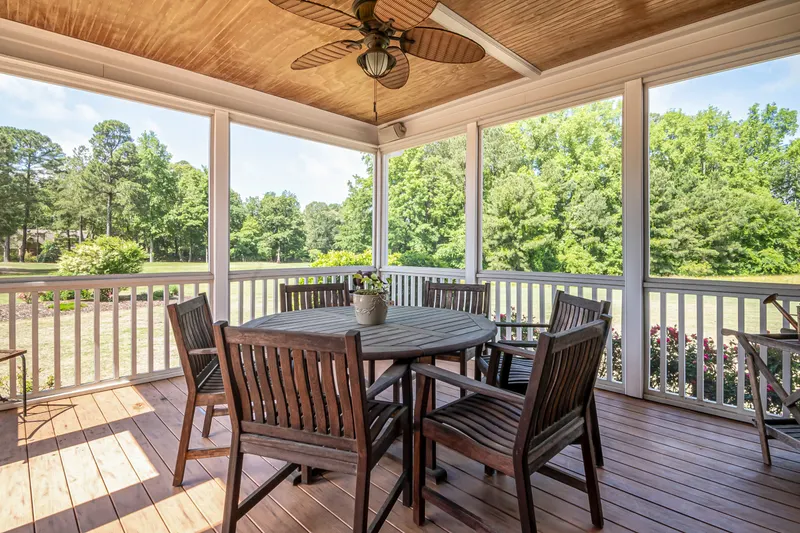
Nebraska's long UV-heavy summers and sub-zero winters are exactly the swing that greys, checks, and cups unprotected wood decking fastest, and a quality sealer is the one thing standing between that exposure and the wood underneath. A deck that's staged and sealed on a 2-to-3-year cadence rarely shows the surface damage that an unsealed deck develops within a single season of Nebraska sun and freeze-thaw cycling.

Extends a Wood Deck's Useful Life Meaningfully
Pressure-treated pine generally lasts 10 to 15 years unprotected but 15 to 20 with diligent staining and sealing, and cedar sees a similar extension — a real difference in avoided replacement cost over a typical ownership period. Keeping to the maintenance cadence is what actually delivers that extra decade of service life, not a one-time treatment years after the deck was built.
Our Work
Recent Staining & Sealing Projects Across Omaha
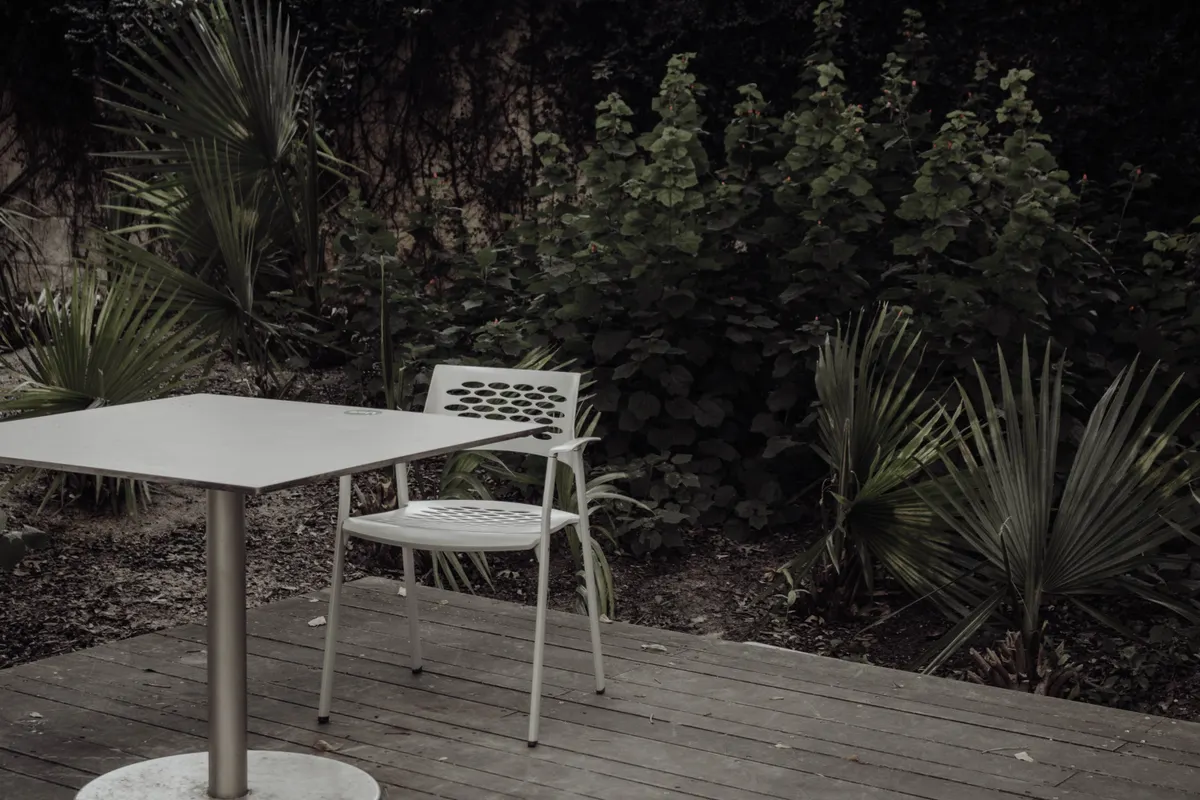
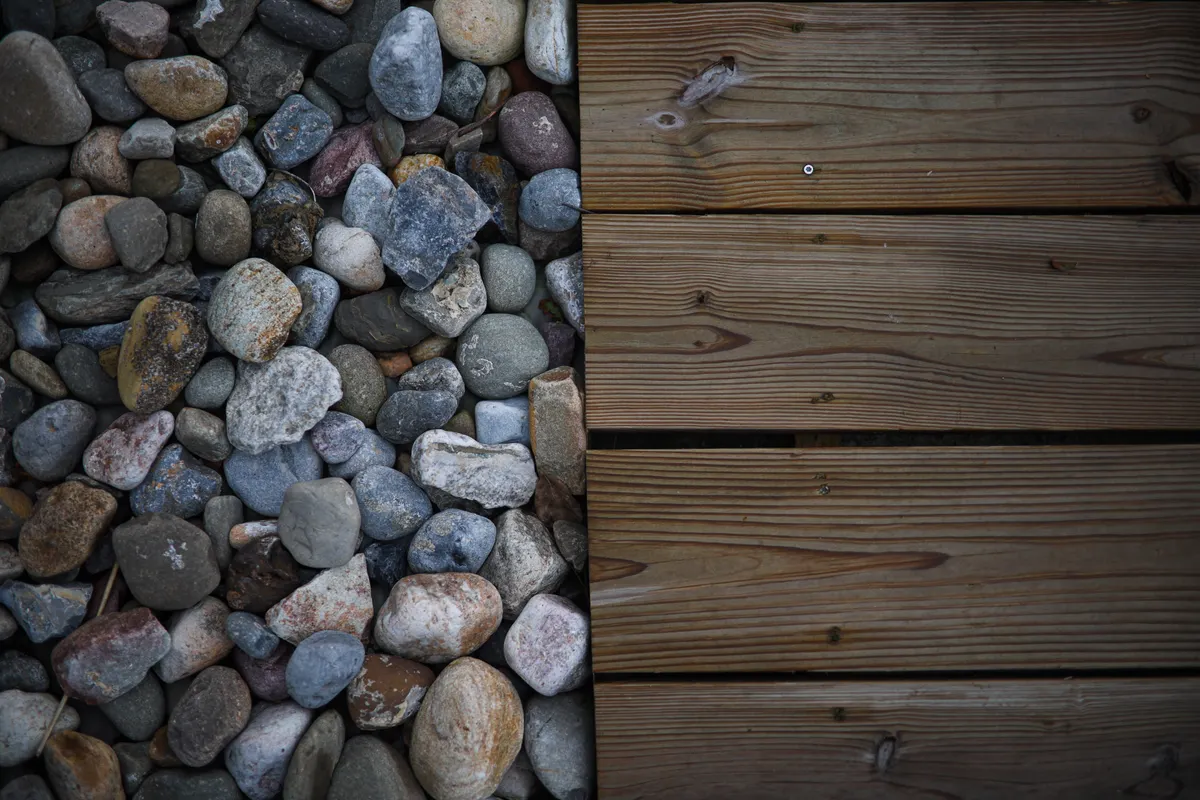
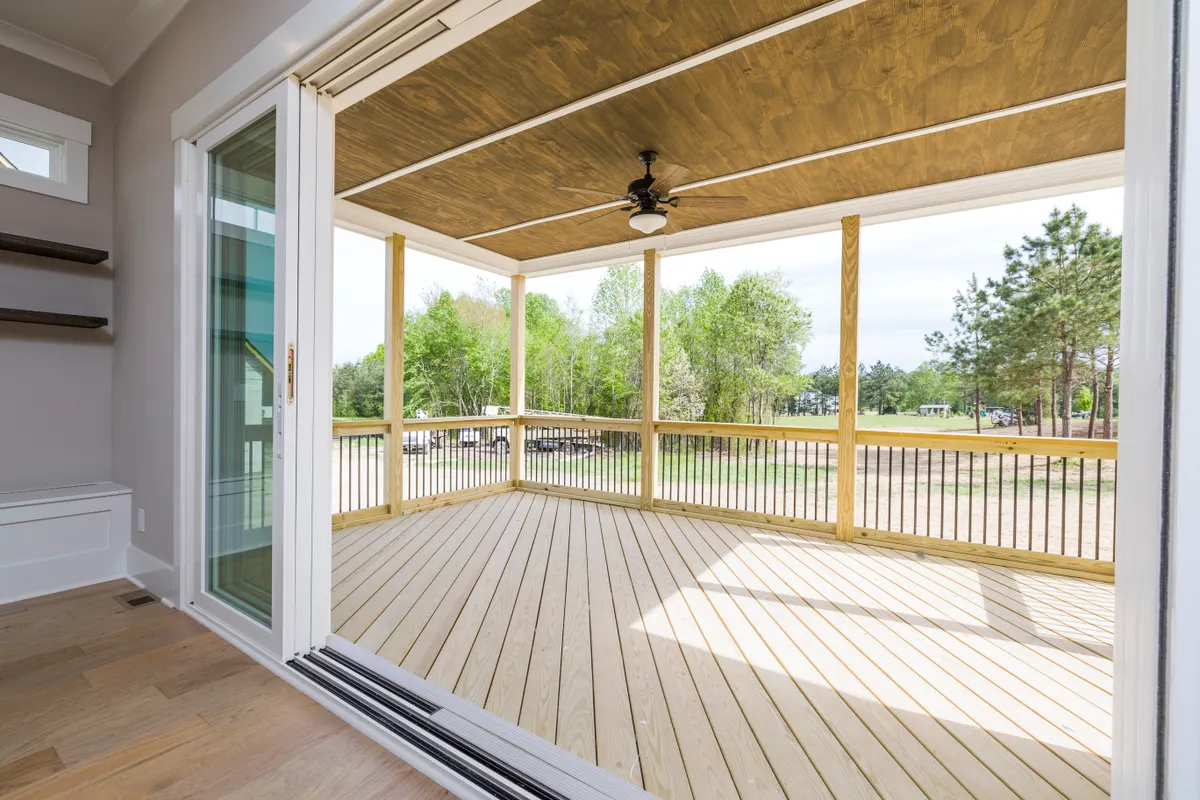
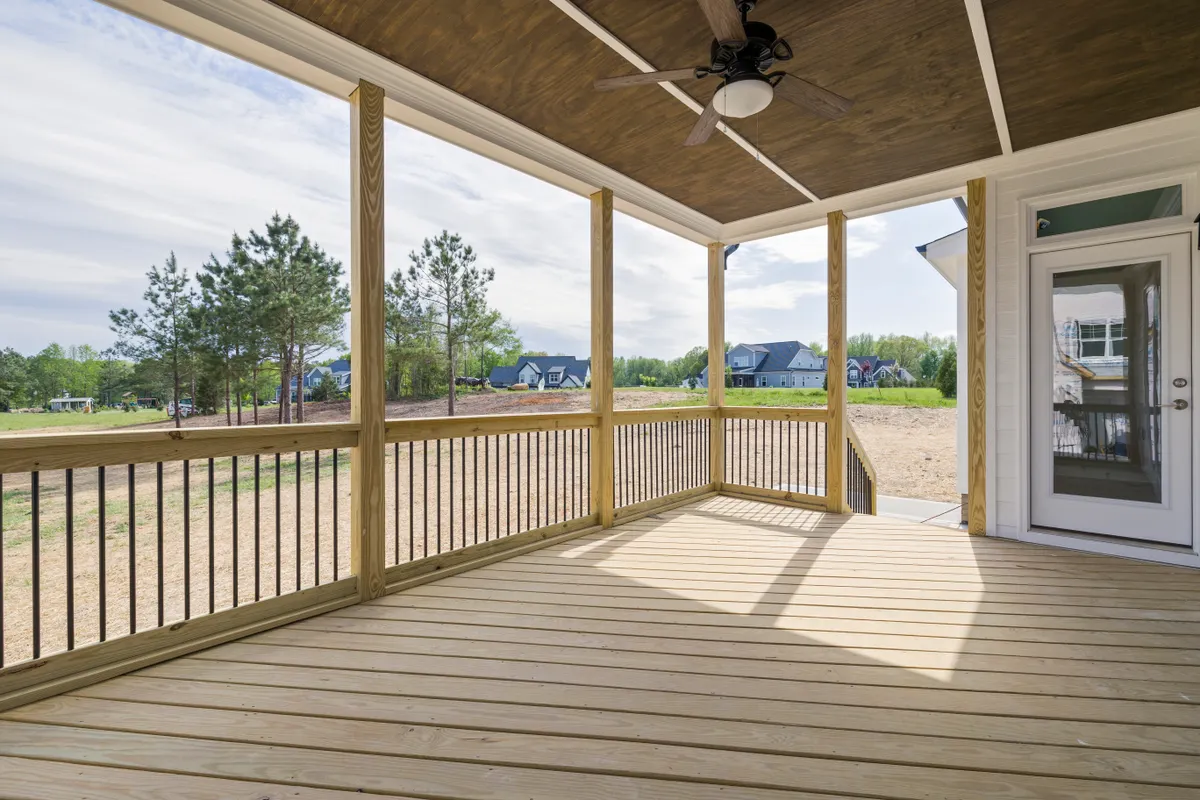
A sample of deck cleaning, staining, and sealing jobs coordinated across the metro.


Why Us
Why Omaha Trusts Us With Deck Finishing
Staining and sealing only work if the prep and the timing are right — that's where a coordinated crew earns the callback.
Manufacturer-Approved Products, Applied Correctly
We apply Behr, Olympic, Cabot, and Ready Seal products according to each manufacturer's surface-prep and cure-time specifications rather than a generic one-size approach, since a stain or sealer applied to a poorly prepped or damp surface fails early regardless of product quality.
Timed to Nebraska's Weather Window, Not the Calendar
Staining and sealing need dry weather and the right temperature range to cure properly, so we schedule around Omaha's actual forecast rather than a fixed calendar date, which matters given how quickly conditions swing here between a hot dry stretch and a sudden storm system.
We Flag Repair Needs Before We Finish Over Them
If cleaning or sanding uncovers rot, a loose railing, or a ledger issue during prep, we flag it before staining rather than sealing a problem underneath a fresh coat — that's covered separately on our deck repair & restoration page if it comes up.
If cleaning and prep turn up more than a fresh coat can fix, deck repair & restoration covers board, joist, and ledger repair in depth, and if the goal is getting off the staining cycle entirely, composite decking installation covers the low-maintenance alternative. Elkhorn's mix of newer cedar and pressure-treated decks now reaching their first restain is a good example of the maintenance-cadence work this page describes — see deck builder in Elkhorn, NE for what that looks like locally. For the complete list of what's coordinated across the Omaha metro, see our services — the same Omaha deck builder crew network behind every finishing job here.
Frequently Asked Questions
How much does it cost to stain and seal a deck in Omaha?
Staining typically runs $2 to $4 per square foot and sealing $1 to $3 per square foot, so a combined clean-stain-seal job on an average 320-square-foot deck lands somewhere in the $960 to $2,240 range depending on product line and how much surface prep the boards need first. A deck that's gone several years without attention and needs sanding to remove greying and splintering costs more at the prep stage than one that's been maintained on schedule. We quote the full job — cleaning, prep, and product — as one fixed number after seeing the deck's actual condition.
How often should a wood deck be stained and sealed?
Every 2 to 3 years is the standard cadence we recommend for most Omaha-area decks, though a deck getting full sun exposure or facing more weather tends toward the shorter end of that window while a shaded or covered deck can sometimes stretch longer. Semi-transparent stains generally need reapplication sooner than solid-color finishes since they carry less UV-blocking pigment. Skipping the cadence doesn't just mean a faded appearance — unprotected wood starts cupping and checking, which is what eventually turns into the board-and-joist repair work covered on our deck repair & restoration page.
Semi-transparent, solid, or clear — which stain should I choose?
Semi-transparent stain shows the wood grain through a tinted finish, but it needs the most frequent reapplication since it carries the least UV-blocking pigment. Solid-color stain fully hides the wood's surface and an older board's wear, and holds up longer between coats. Clear sealer adds UV and moisture protection without changing appearance at all, which suits a newer deck that just needs protection. We apply Behr, Olympic, Cabot, and Ready Seal products across all three categories and base the recommendation on the deck's age and how much its current color still looks acceptable.
Can I just seal my deck without staining it?
Yes — a clear waterproof sealer at roughly $1 to $3 per square foot protects against moisture, cupping, and checking without changing the wood's color at all, which works well on a newer deck that still looks good and just needs the protective layer. An older, already greyed deck usually benefits from staining first since sealer alone won't restore faded color, only slow further fading. We recommend sealing alone mainly for decks under a few years old or ones that were recently stained and just need the protective top coat renewed.
What's the best time of year to stain a deck in Omaha?
Late spring through early fall gives the most reliable stretch of dry, moderate-temperature days that staining and sealing products need to cure properly, since most products require several rain-free hours to days depending on the coat. Nebraska's weather swings quickly between hot dry stretches and sudden storm systems, so we schedule around the actual forecast window rather than locking in a fixed calendar date months out. Staining in high humidity or right before a storm system moves through risks the finish not curing properly, which shortens how long it actually protects the deck.
Is it worth hiring a pro instead of staining my own deck?
A DIY stain job can work, but the two most common failure points — inadequate prep and applying over a still-damp or improperly cleaned surface — are exactly where professional jobs consistently outperform DIY attempts and last the full 2-to-3-year cycle instead of failing within one season. We also catch developing rot, loose fasteners, or railing issues during prep that a homeowner staining their own deck might miss or stain right over. For a straightforward, well-maintained deck, DIY is a reasonable option; for a deck that's gone years without attention, professional prep usually pays for itself in how much longer the finish lasts.
How do I know if my deck needs restaining versus just cleaning?
If the wood still has some of its original color and the surface feels smooth without splinters, a simple power wash may be enough to refresh it for another season. Once the deck has visibly greyed, boards are starting to splinter or cup, or water no longer beads on the surface when it rains, that's the sign the protective coating has broken down and full restaining is needed rather than cleaning alone. Waiting past that point lets UV and moisture start working directly on unprotected wood, which is when checking and cupping set in and shorten the deck's usable life.
Does staining or sealing fix rot or structural problems?
No — staining and sealing are surface protection, not a structural fix, and applying a fresh coat over rotted boards or a compromised ledger just hides the problem under new color rather than solving it. If we uncover soft or rotted wood, a loose railing post, or ledger movement during cleaning and prep, we flag it before staining rather than sealing over it, and that work is scoped separately under deck repair & restoration. A deck with active structural issues should be repaired first — refinishing afterward protects a sound structure instead of masking a failing one.
What does the actual staining process involve?
The job starts with a thorough power wash to strip dirt, mildew, and any failing old coating, followed by sanding on boards that have started greying or splintering to reopen the wood grain. Once the surface is clean and fully dry, we apply the chosen stain — semi-transparent, solid, or clear sealer — in the number of coats the product specifies, allowing full cure time between coats and before the deck goes back into regular use. Start to finish, including dry time, most jobs take 1 to 3 days depending on deck size and weather.
Will staining hide scratches, nail pops, or minor board damage?
Solid-color stain does a reasonable job visually masking minor surface wear, old stain lines, and light scratching since it fully covers the wood's natural color rather than showing through it like semi-transparent stain does. It won't correct a popped nail, a warped board, or any structural issue, though — those need physical repair before staining, not just visual coverage, since a fastener continuing to back out will eventually push back through even a fresh coat of stain. We handle popped-fastener and board repair as part of prep when it's a quick fix, and flag anything bigger for a separate repair scope.
Get Your Deck Staining & Sealing Quote
Cleaning, staining, and waterproof sealing on a 2-to-3-year cadence. Call (402) 810-7834, 24 hours a day.
(402) 810-7834